KOBE
BRYANT
Los Angeles Lakers · Guard · No. 8 / No. 24
Champion · Legend · Icon

Los Angeles Lakers · Guard · No. 8 / No. 24
Champion · Legend · Icon
Before the championships, records, and Hall of Fame induction, there was a young boy with a basketball in his hands and a dream that stretched far beyond the neighborhoods where he grew up.
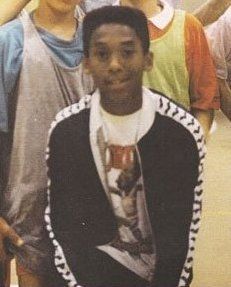
Born in Philadelphia in 1978, Kobe Bryant spent much of his childhood in Italy, where his father, former NBA player Joe Bryant, continued his professional basketball career. While living abroad, Kobe immersed himself in the game, studying basketball with an uncommon focus and developing a deep love for competition.
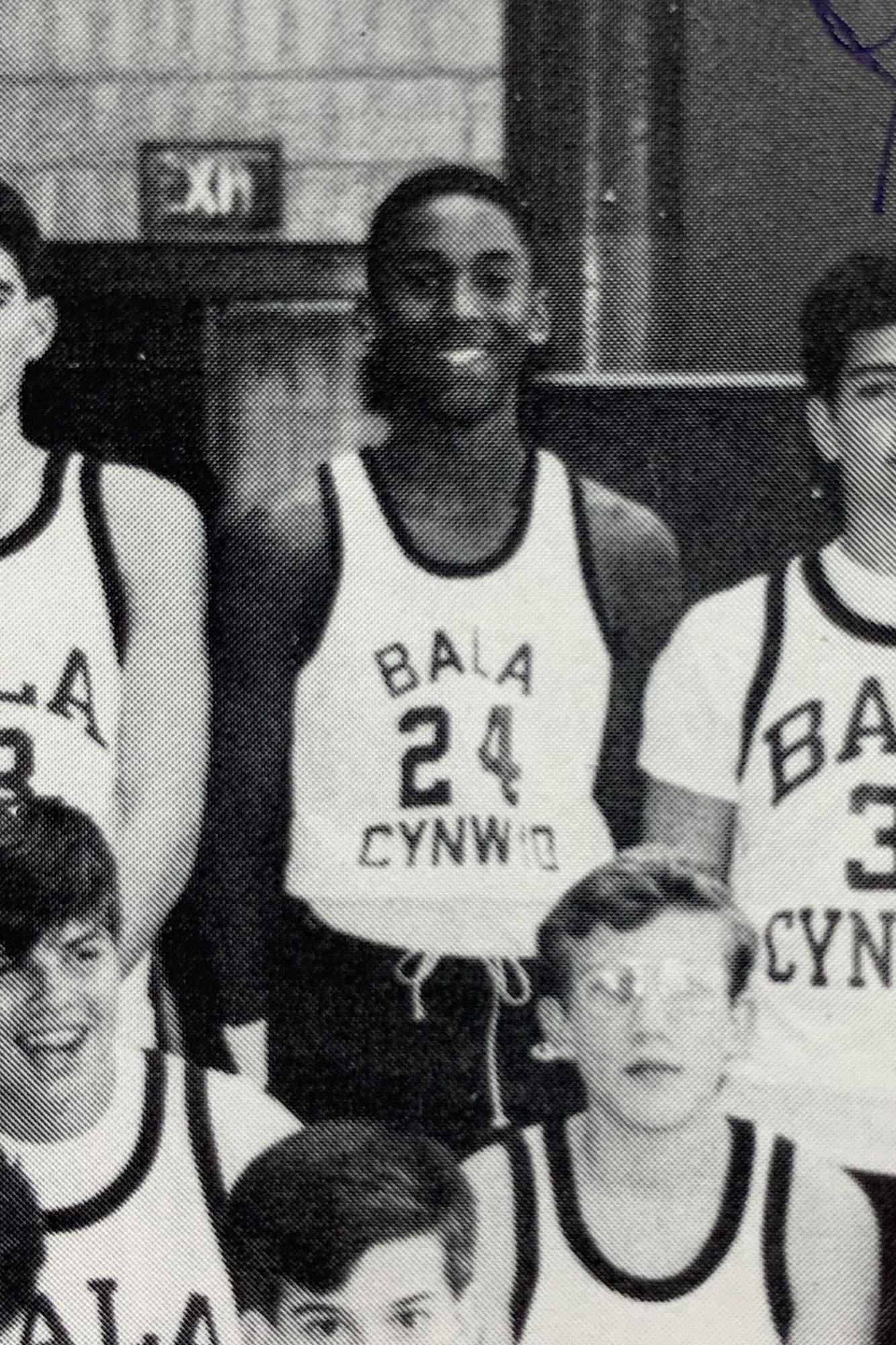
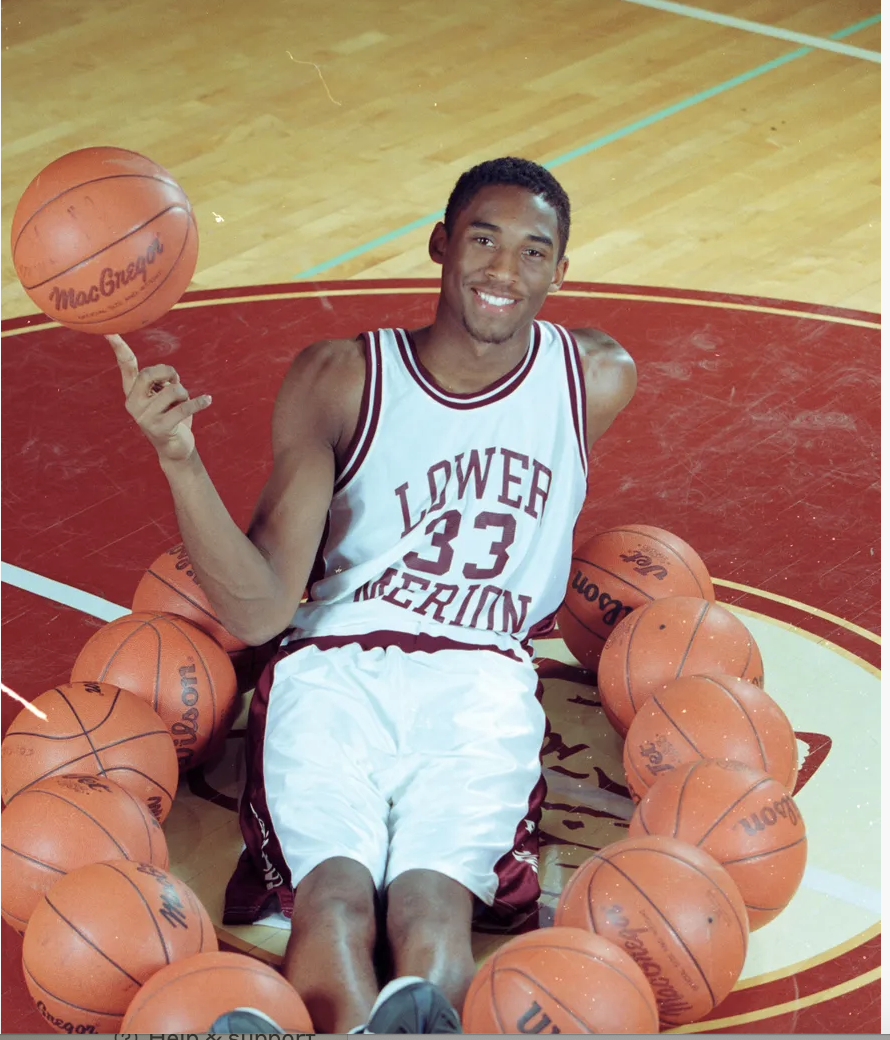
When the Bryant family returned to Philadelphia, Kobe quickly established himself as one of the nation's most promising young athletes. At Lower Merion High School, his extraordinary talent, work ethic, and basketball IQ transformed him from a local standout into a national phenomenon.
By his senior year, he had become the all-time leading scorer in Southeastern Pennsylvania high school basketball history and was widely regarded as the best high school player in America.
While most elite prospects chose the college route, Kobe made a historic decision: declaring directly for the NBA Draft. In 1996, at just 17 years old, he was selected 13th overall and began a journey that would forever change the game of basketball.
Italy shaped his perspective. Philadelphia forged his toughness. Basketball revealed his greatness.
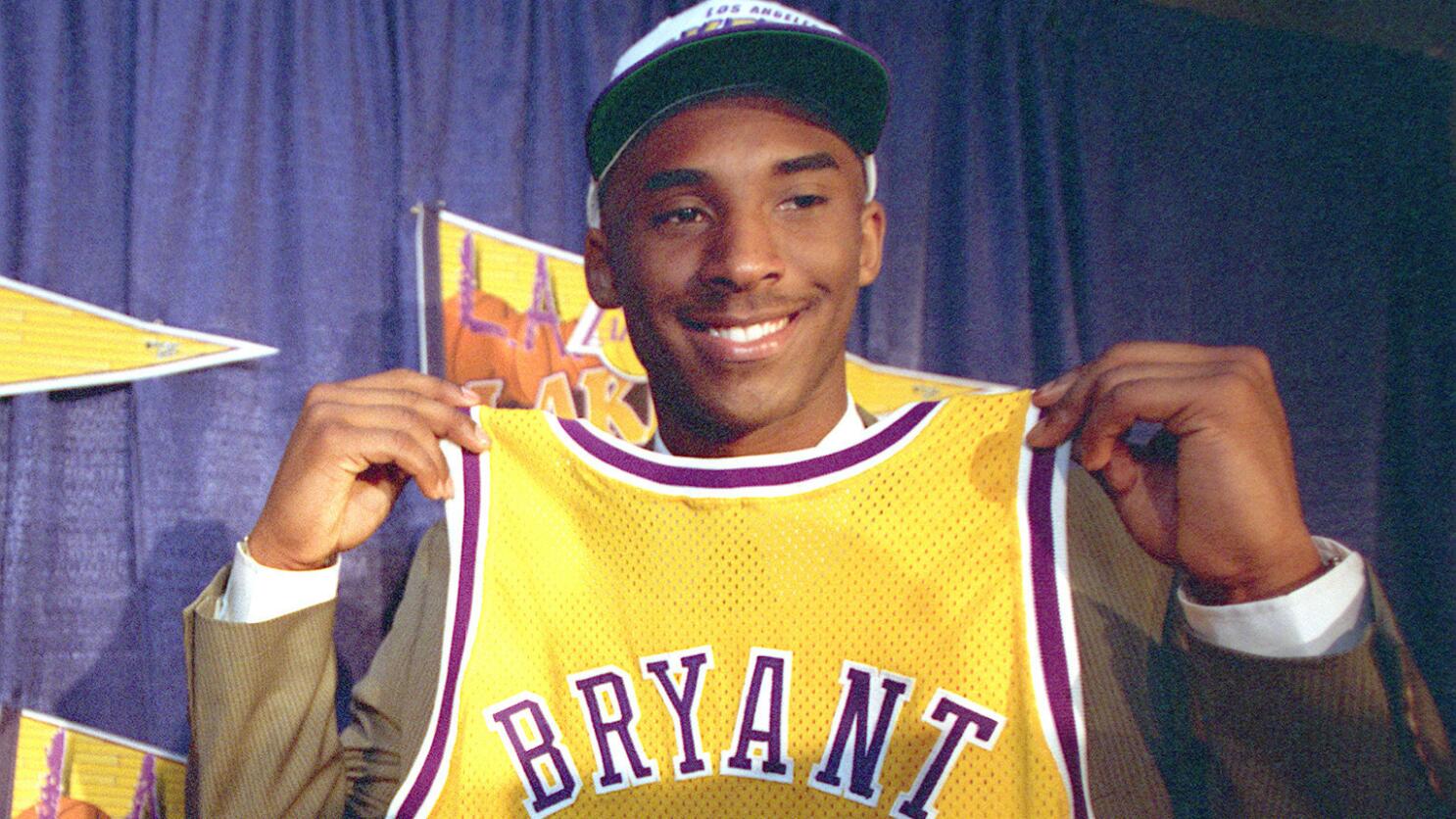
In the fall of 1996, an 18-year-old guard from Lower Merion High School stepped onto an NBA court and became one of the youngest players in league history. While most future stars spent years developing in college, Kobe Bryant entered the NBA directly from high school, carrying immense expectations and an unwavering belief in his potential.
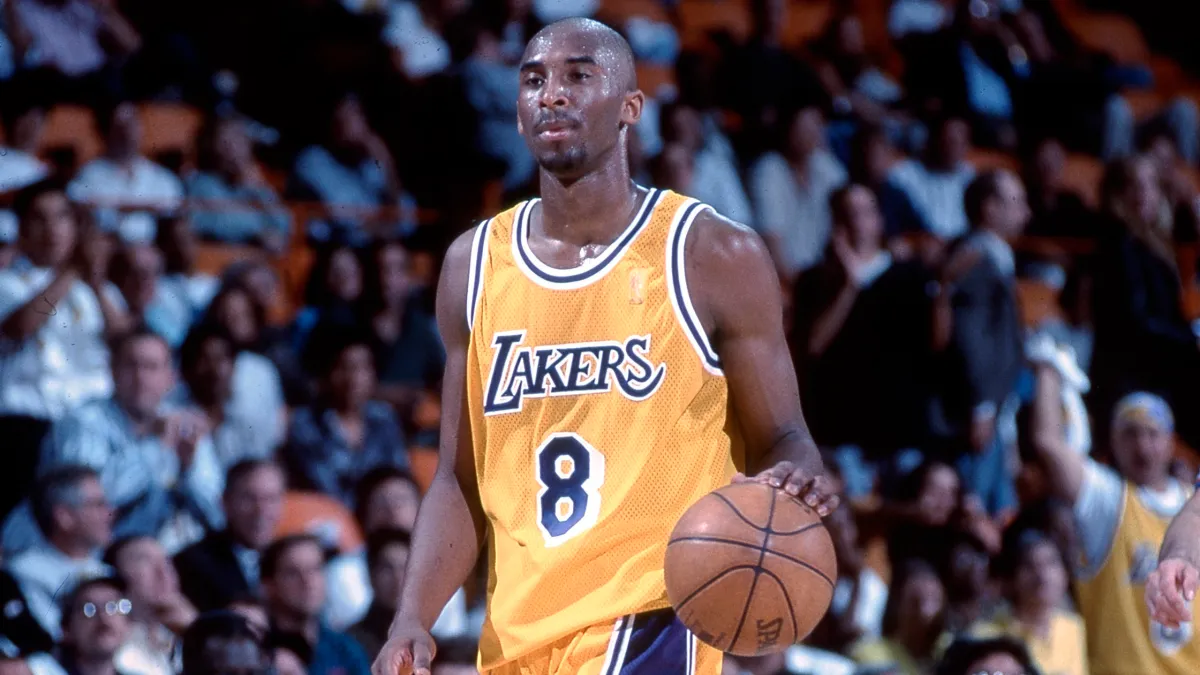
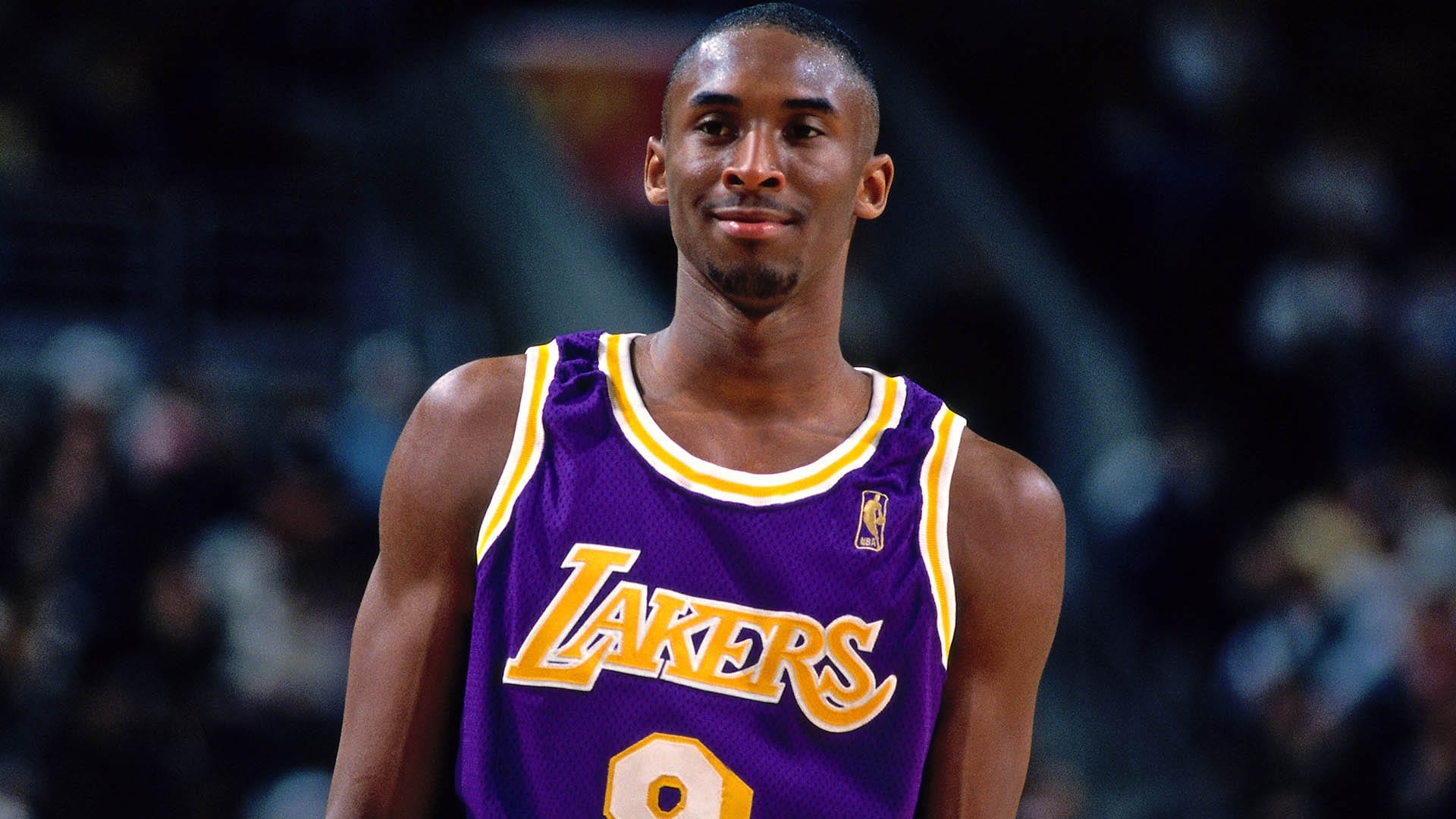
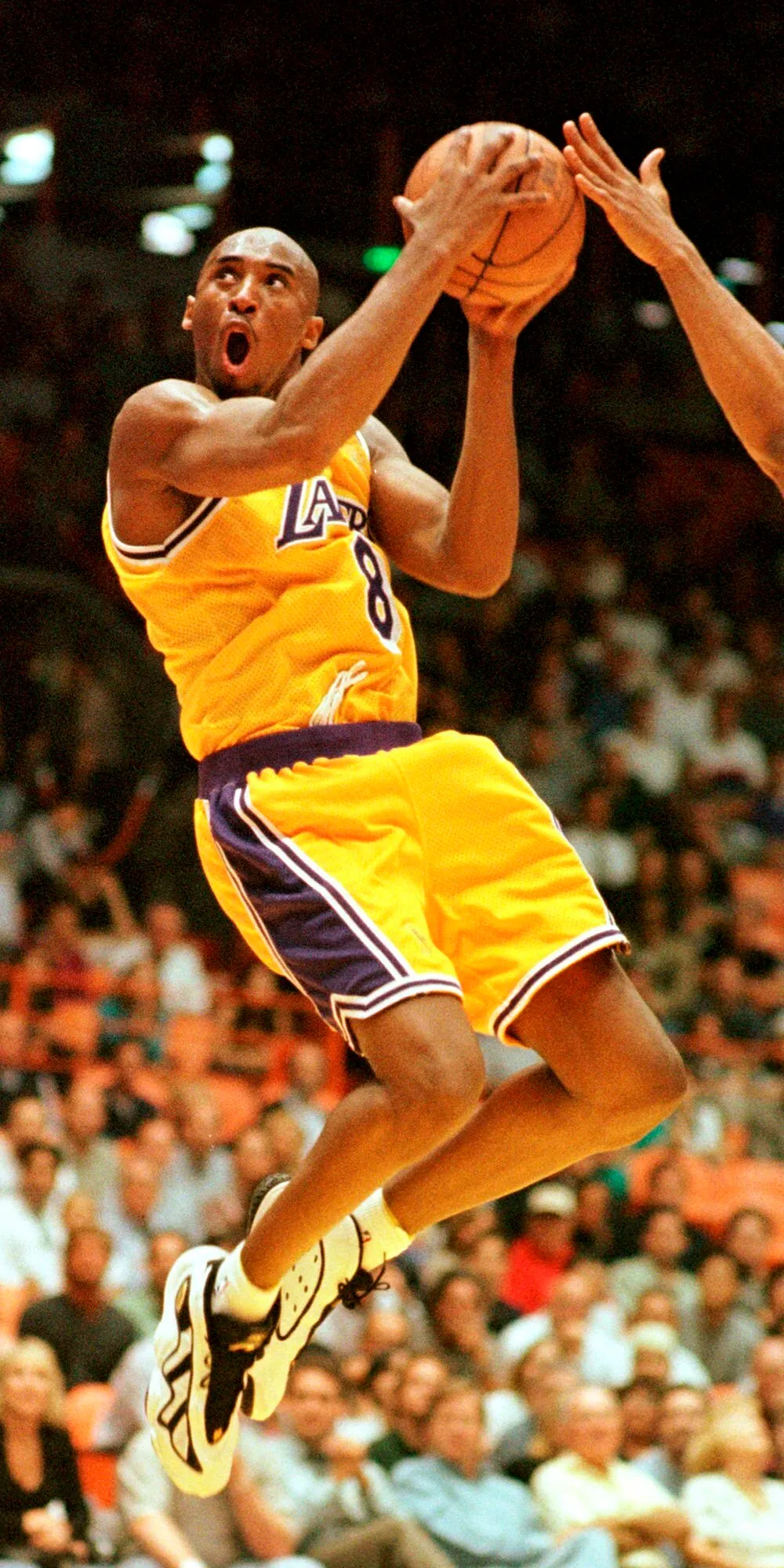
In 1998, at just 19 years old, Bryant was voted into the NBA All-Star Game as a starter, becoming the youngest All-Star starter in league history. The selection was remarkable not only because of his age, but because he was still coming off the bench for much of the season with the Los Angeles Lakers. Through fan voting, basketball fans around the world recognized what many were beginning to realize: a future superstar had arrived.
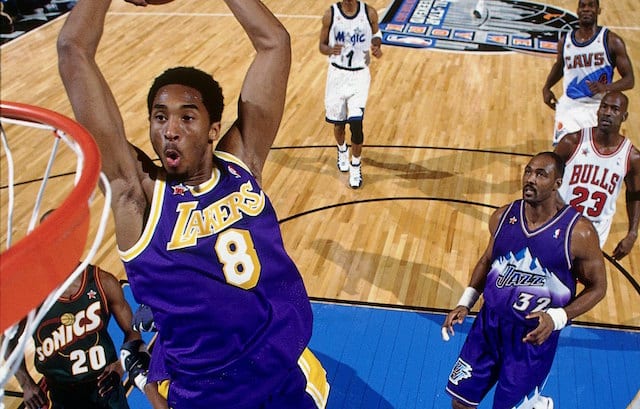
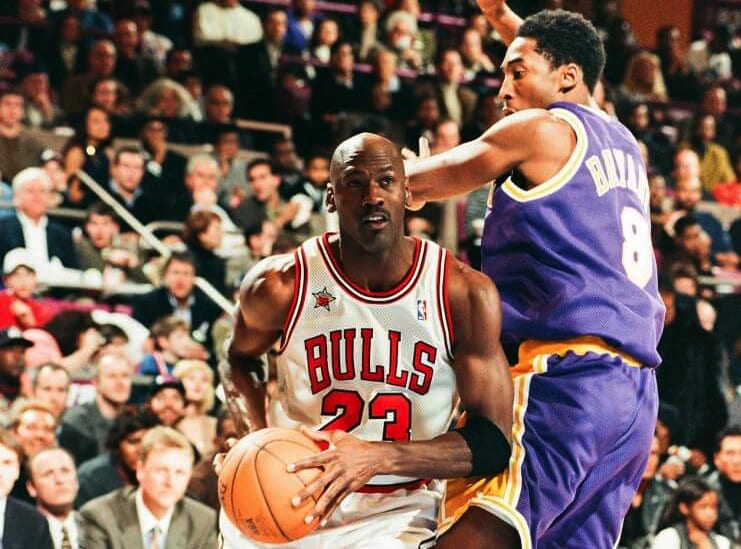
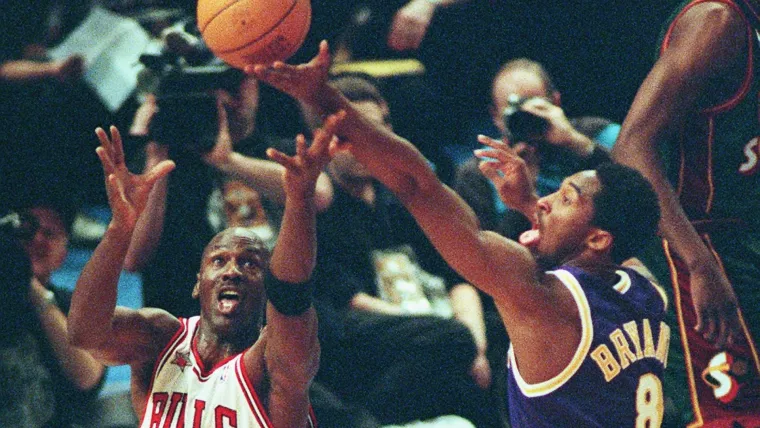
The 1999–2000 season marked a turning point in Bryant's career. At just 21 years old, he averaged 22.5 points, 6.3 rebounds, and 4.9 assists while helping the Lakers secure the best record in the Western Conference.
During the NBA Finals against the Indiana Pacers, Bryant delivered one of the defining performances of his young career. After Shaquille O'Neal fouled out in Game 4, Bryant took control in overtime, scoring critical baskets that helped secure a pivotal victory and move the Lakers closer to their first championship in over a decade.
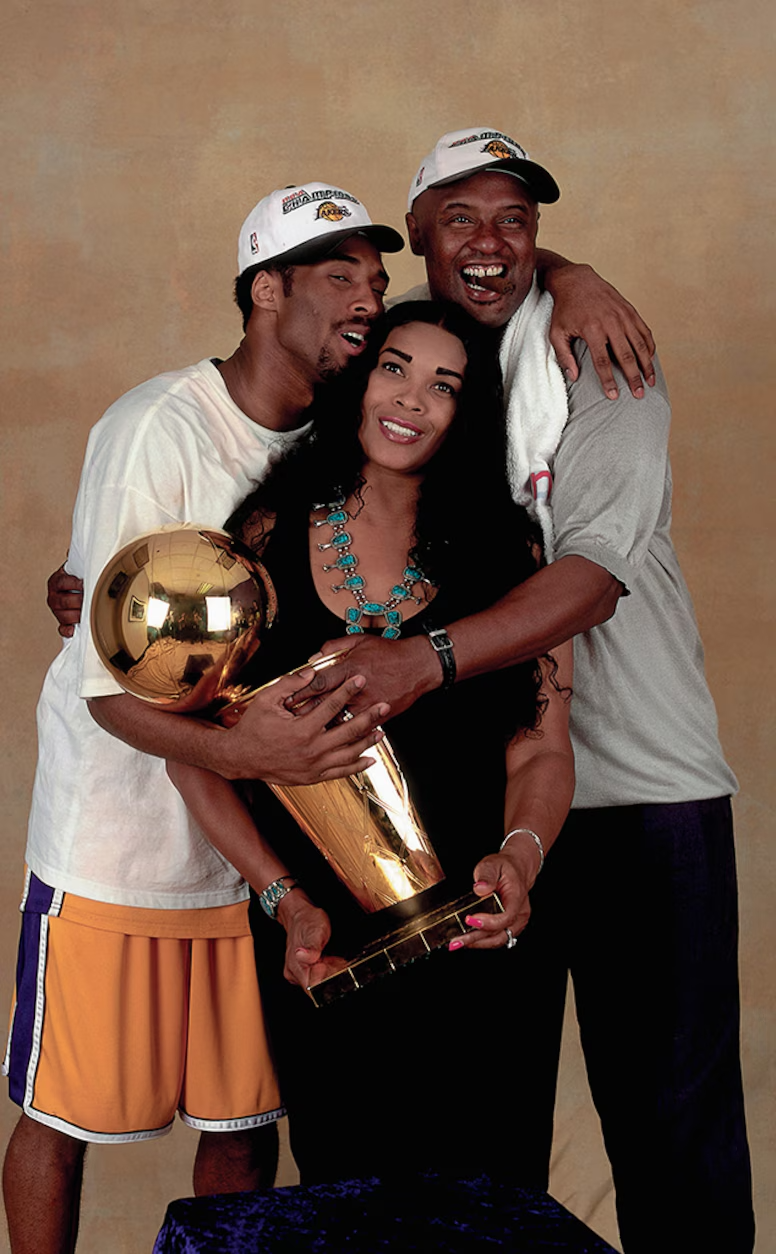
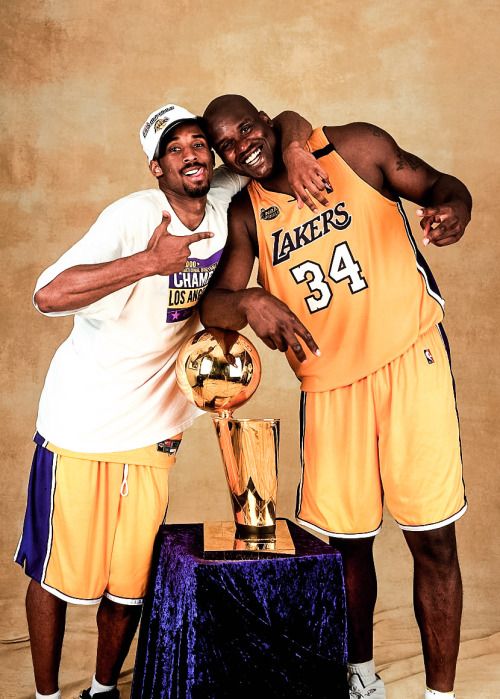
When the final buzzer sounded, Kobe Bryant became an NBA Champion for the first time.
The journey had begun.
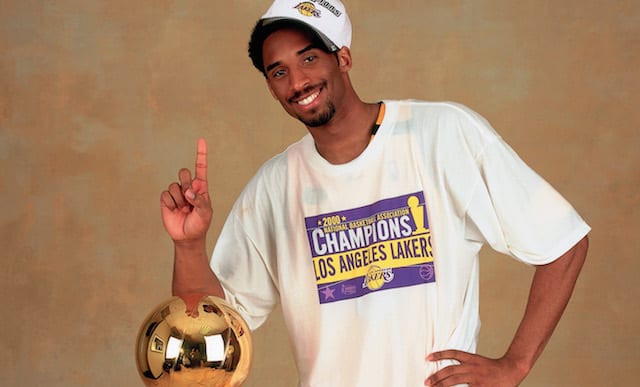
If 2000 announced the Lakers' arrival, 2001 established their dominance.
Bryant elevated his game to another level, averaging 28.5 points per game during the regular season and emerging as one of the league's most dangerous offensive players.
The Lakers stormed through the playoffs with one of the most dominant postseason runs in NBA history, finishing with a remarkable 15-1 playoff record. Throughout the postseason, Bryant consistently delivered elite performances, proving he was no longer simply a talented young player — he was becoming a superstar.
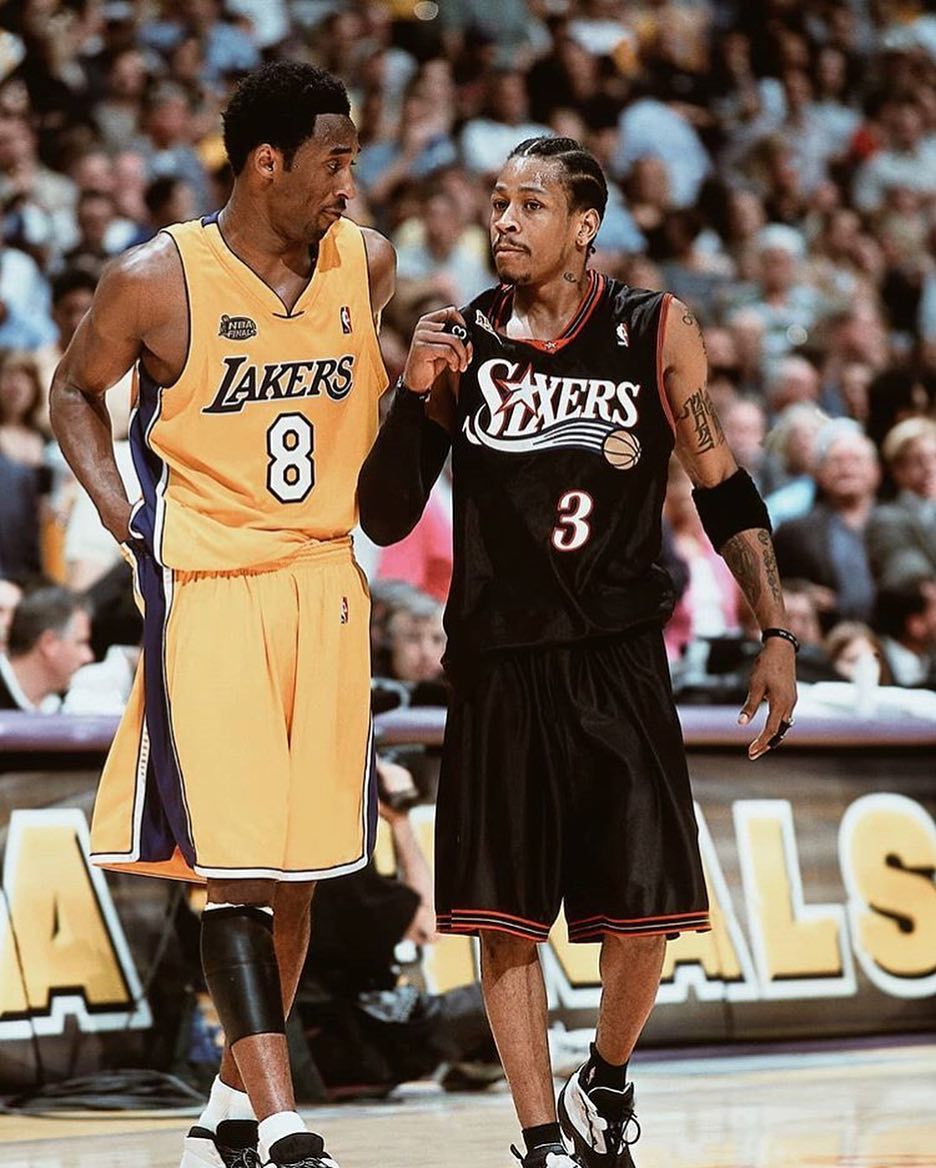
The Lakers defeated the Philadelphia 76ers in the NBA Finals, capturing their second consecutive championship and cementing their place atop the basketball world.
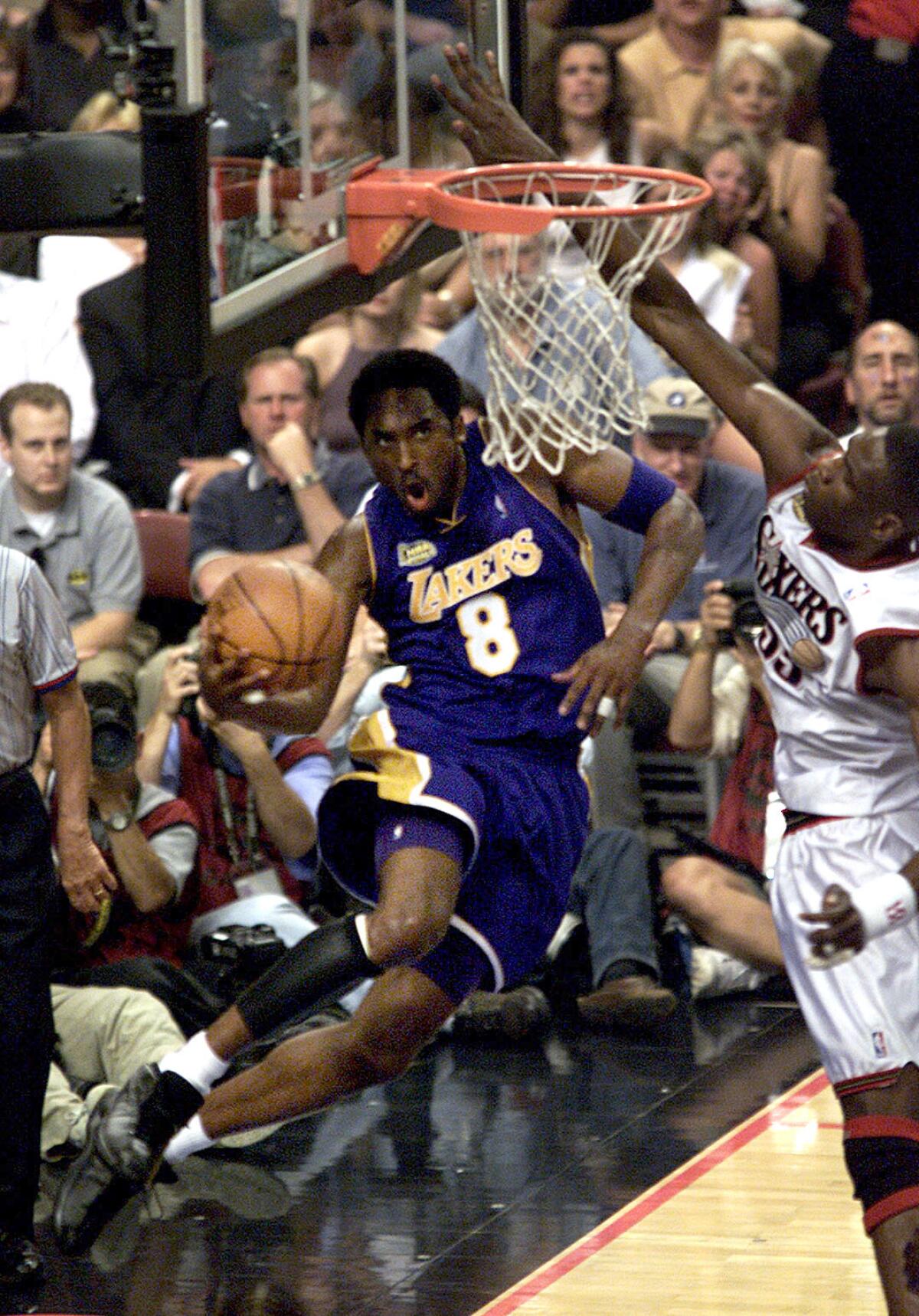
The 2001–02 season completed what every championship team dreams of but few ever achieve: a three-peat.
Facing fierce competition throughout the playoffs, the Lakers relied heavily on Bryant's scoring, leadership, and ability to perform under pressure. From clutch performances against Sacramento in the Western Conference Finals to key contributions throughout the NBA Finals against the New Jersey Nets, Bryant continued to prove himself on basketball's biggest stage.
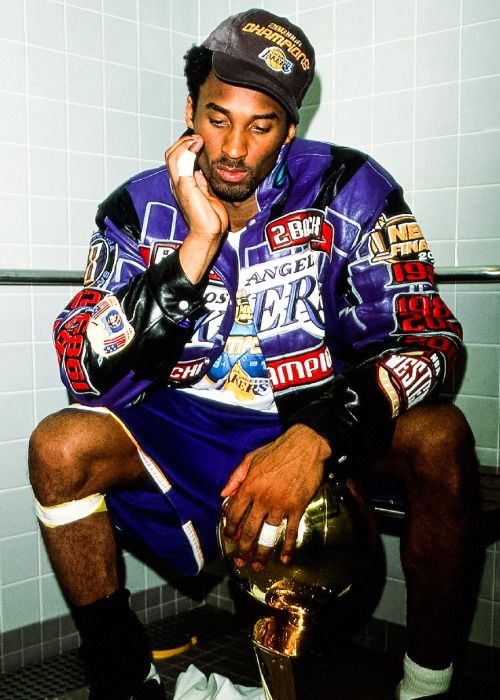
When the Lakers secured their third straight title, Bryant had earned his place among the league's elite players and helped deliver one of the greatest dynastic runs in NBA history.
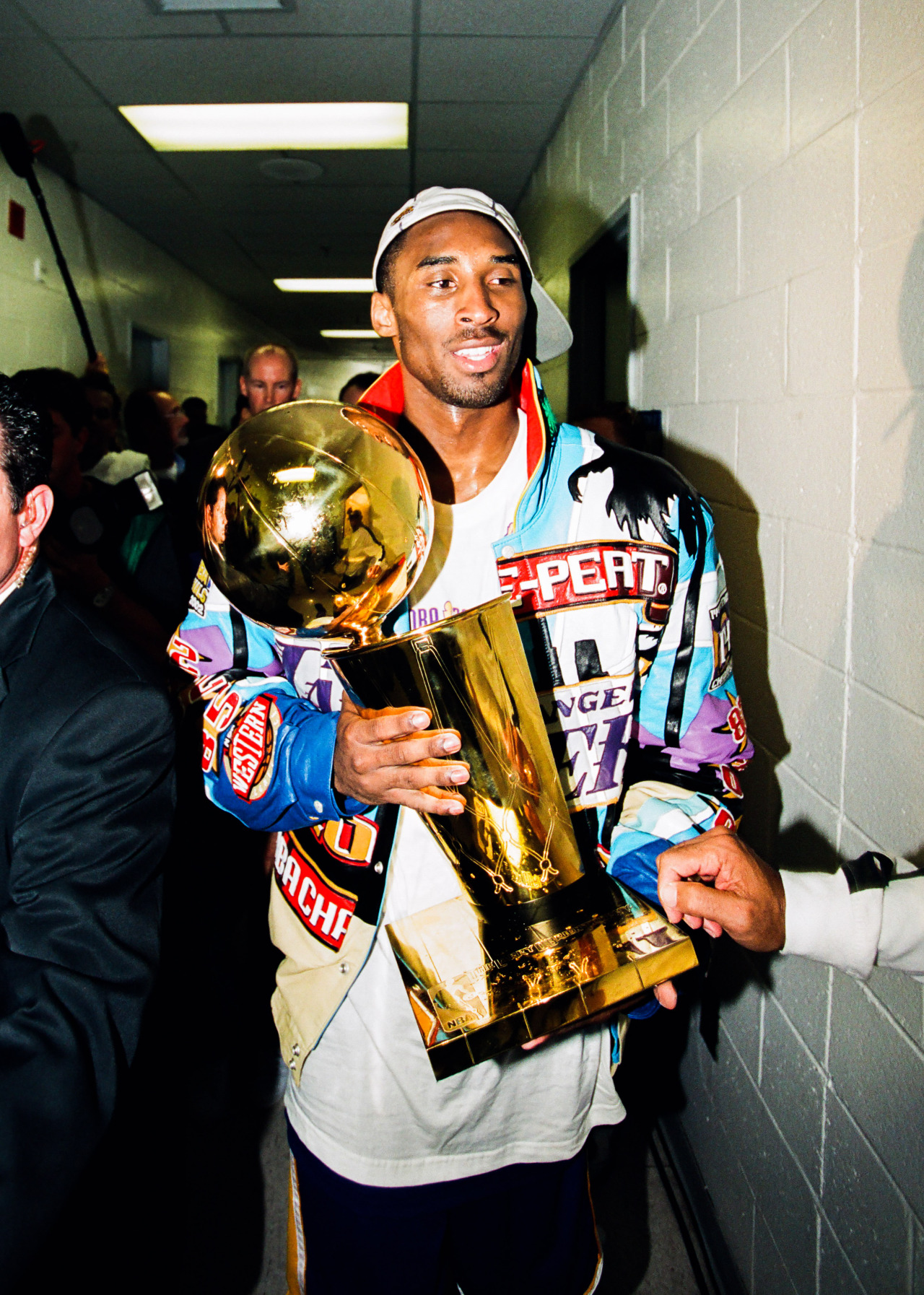
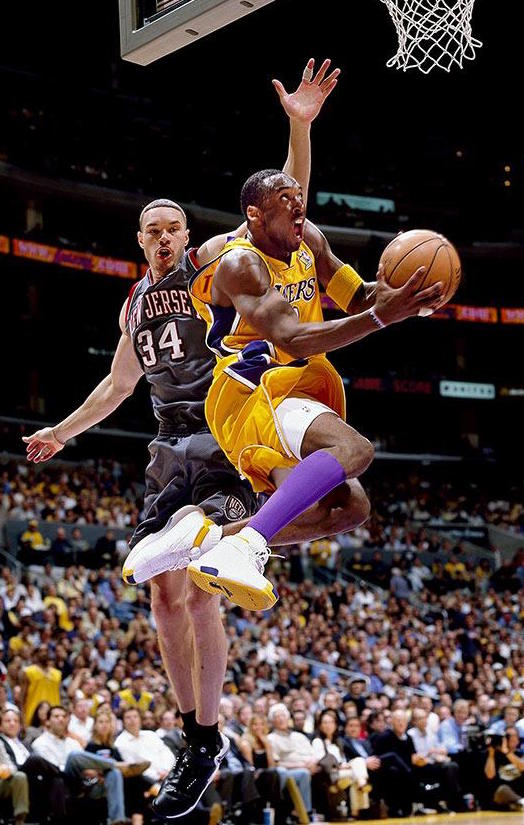
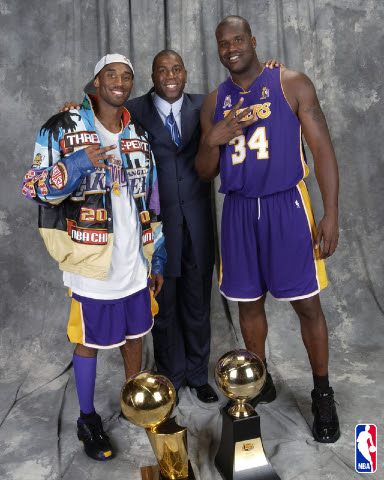
At just 23 years old, he already possessed three championship rings. Most players spend an entire career chasing one.
The Night History Was Rewritten
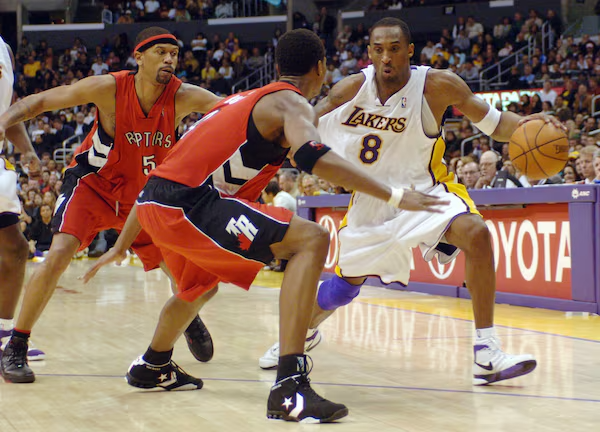
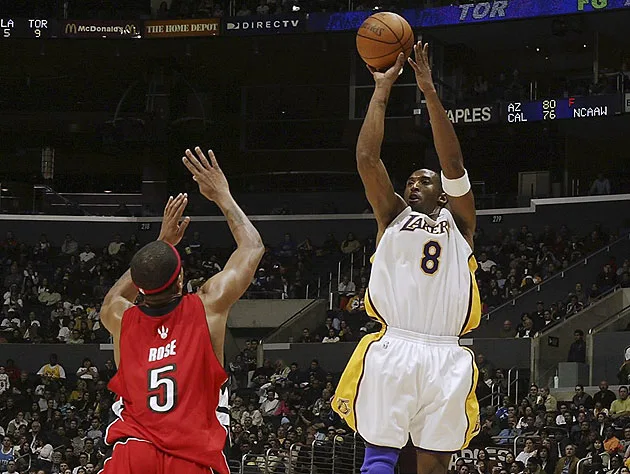
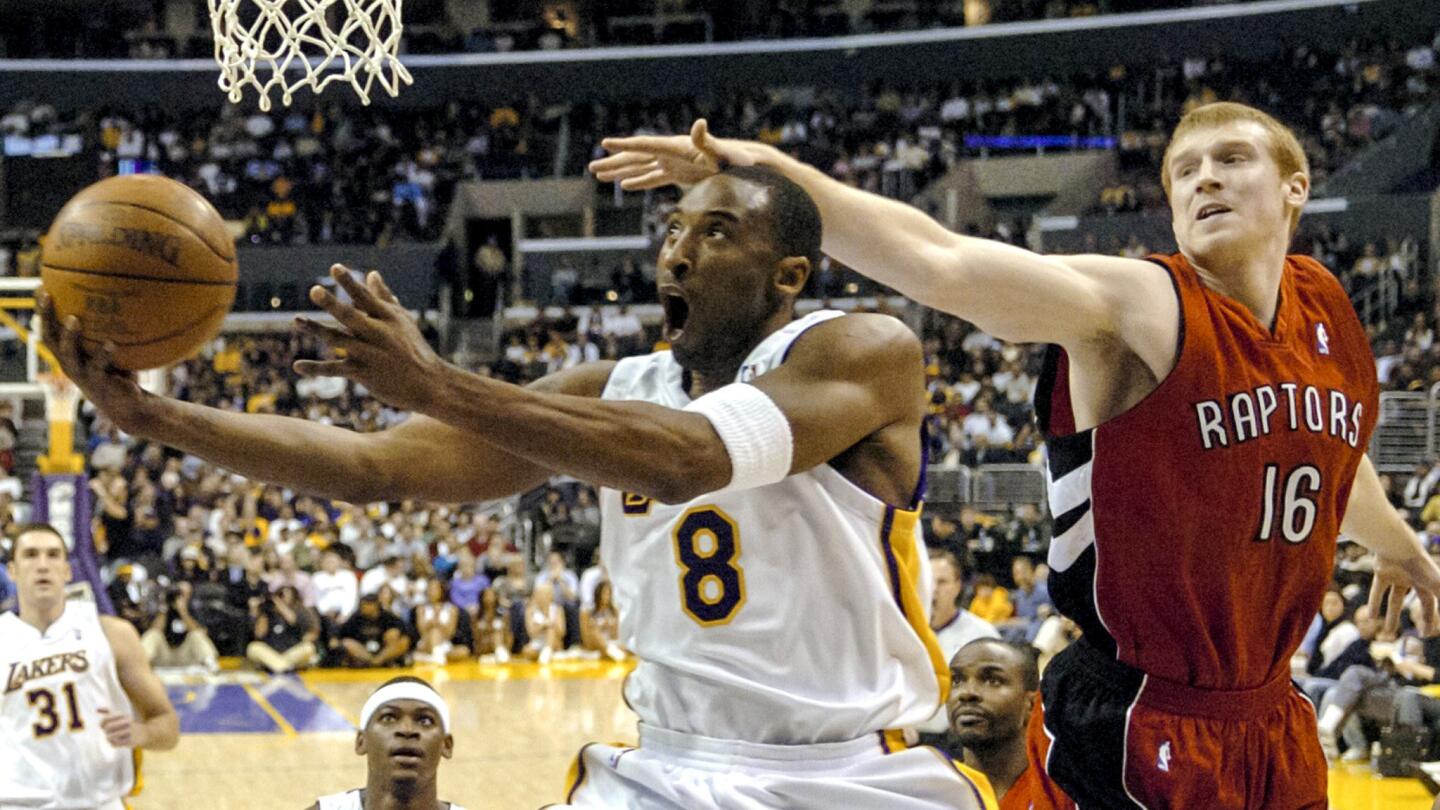
On a winter night in Los Angeles, Kobe Bryant delivered one of the greatest individual performances the game of basketball has ever witnessed. Facing the Toronto Raptors, Bryant scored an astonishing 81 points — the second-highest point total ever recorded in a single NBA game. By the final buzzer, Bryant had scored 81 points on 28 made field goals and 18 free throws, leading the Lakers to a stunning comeback victory.
Only one player in NBA history — Wilt Chamberlain with 100 points in 1962 — had ever scored more in a single game. What began as an ordinary regular season game became one of the most iconic nights in basketball history.
For years, Kobe Bryant had established himself as one of basketball's most dominant players. He had won championships, earned All-Star selections, and delivered some of the greatest performances the sport had ever seen.
Yet one achievement remained missing from his résumé.
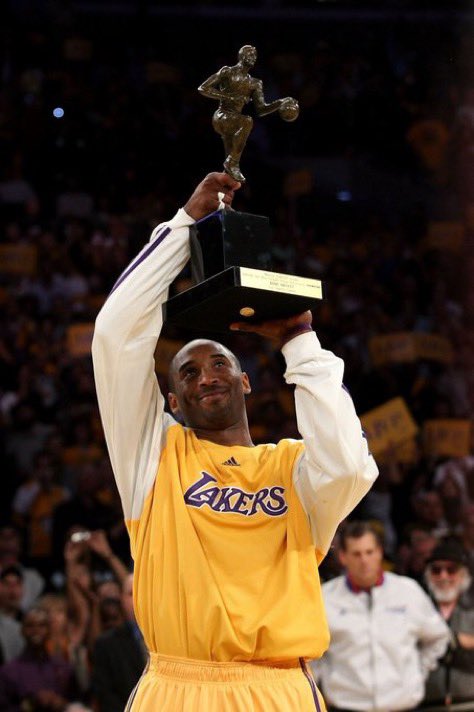
The NBA Most Valuable Player Award.
During the 2007–08 season, Bryant delivered the complete season that many believed had been years in the making. Leading a resurgent Los Angeles Lakers team, he combined elite scoring, leadership, defense, and an unwavering competitive drive to guide the franchise back to championship contention.
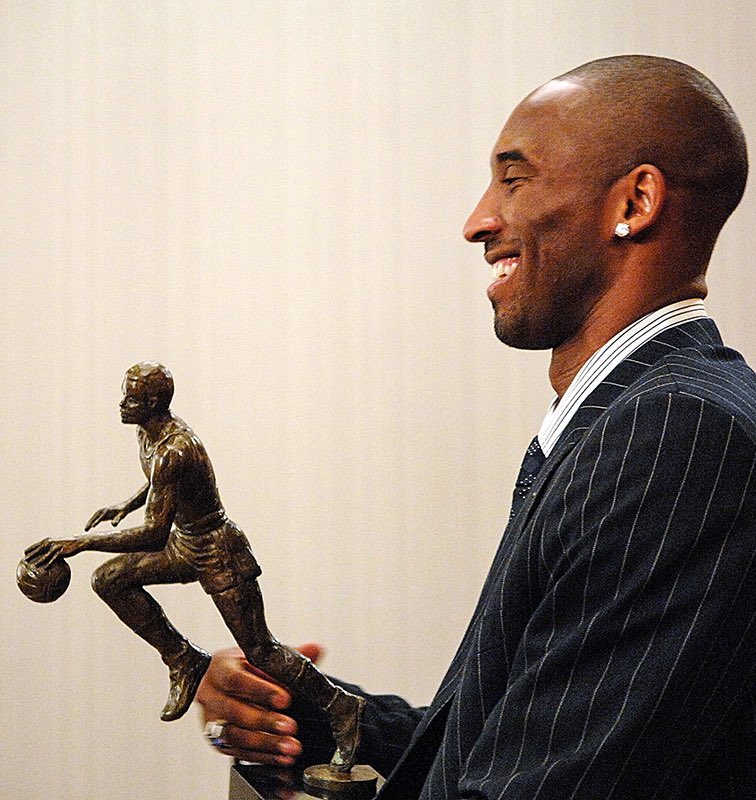
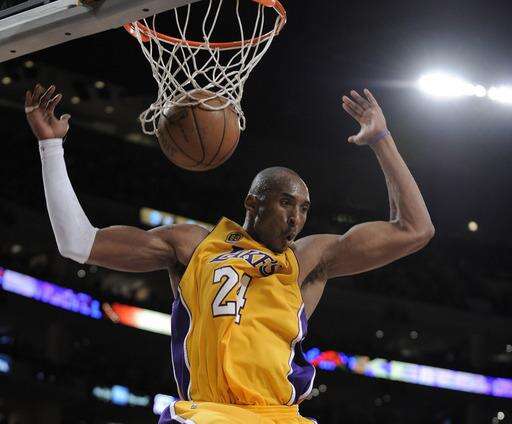
For Kobe Bryant, this was more than a championship.
It was redemption. It was validation. It was history.
After leading the Los Angeles Lakers to championships in 2009 and 2010, Bryant found himself back on basketball's biggest stage against the franchise's greatest rival — the Boston Celtics. The matchup carried enormous significance. Two years earlier, Boston had defeated the Lakers in the 2008 NBA Finals, denying Bryant a championship and leaving unfinished business between the league's most storied franchises.
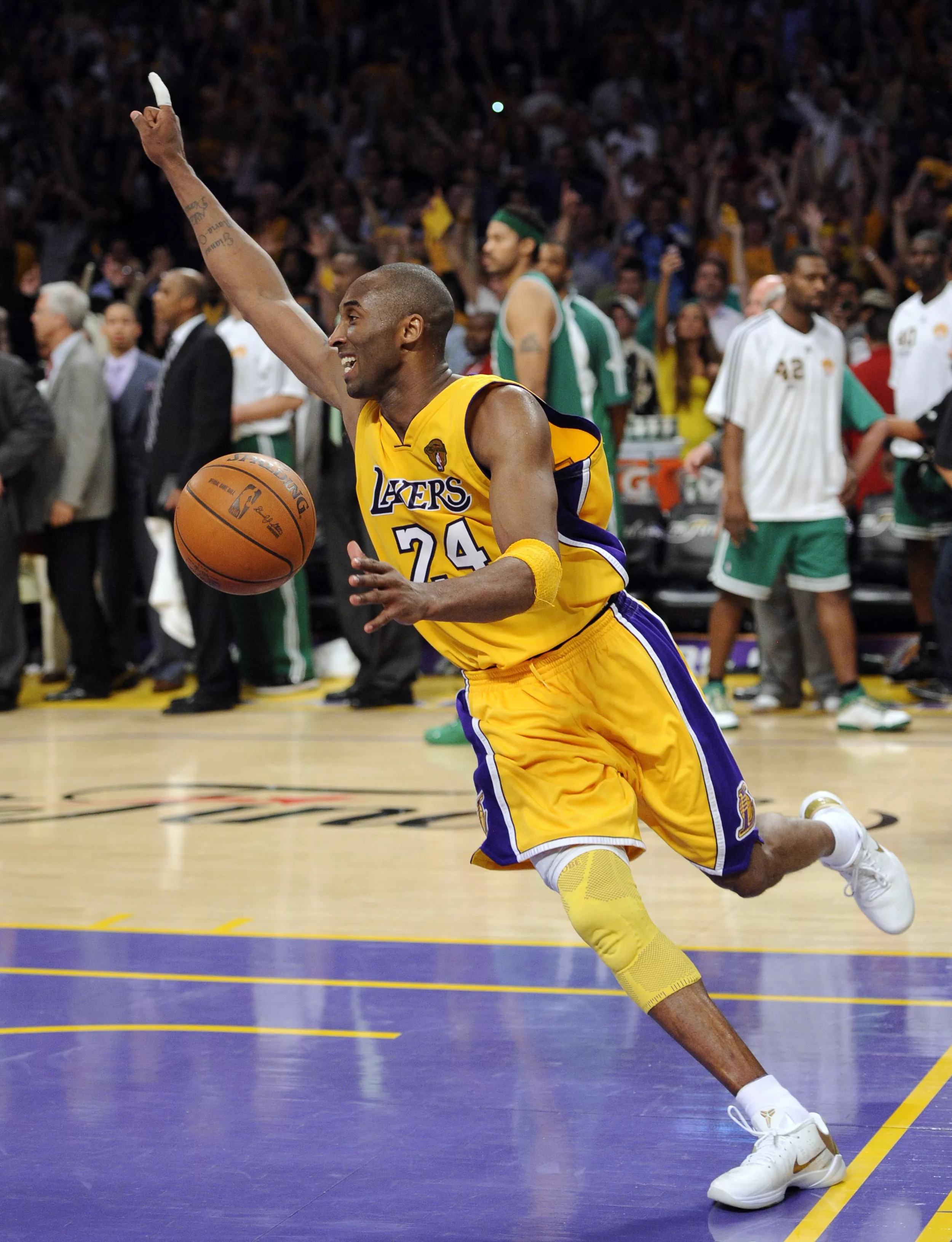
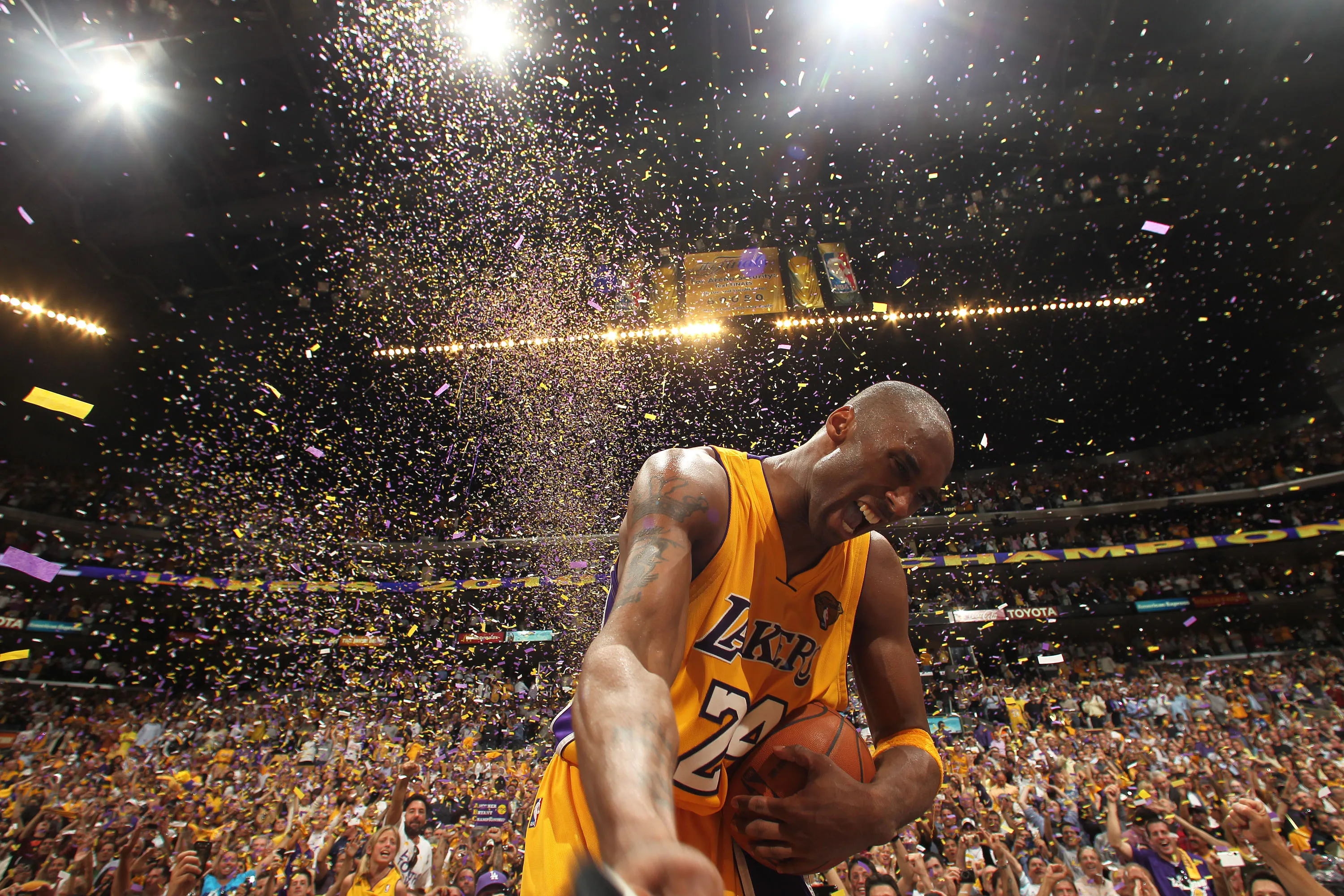
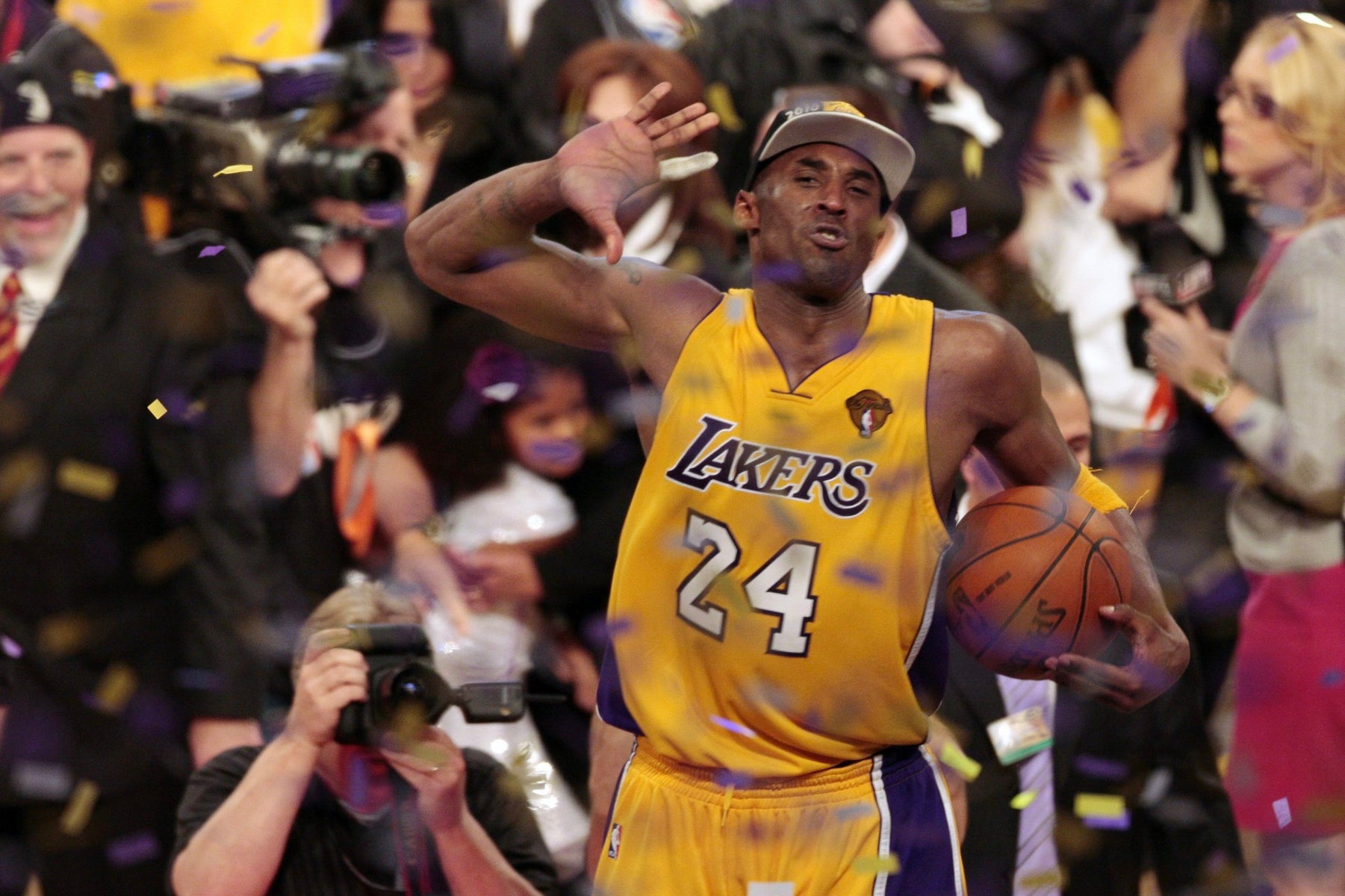
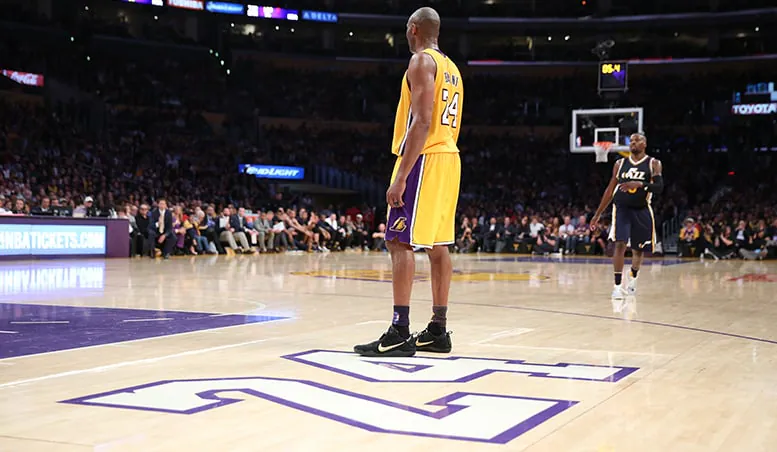
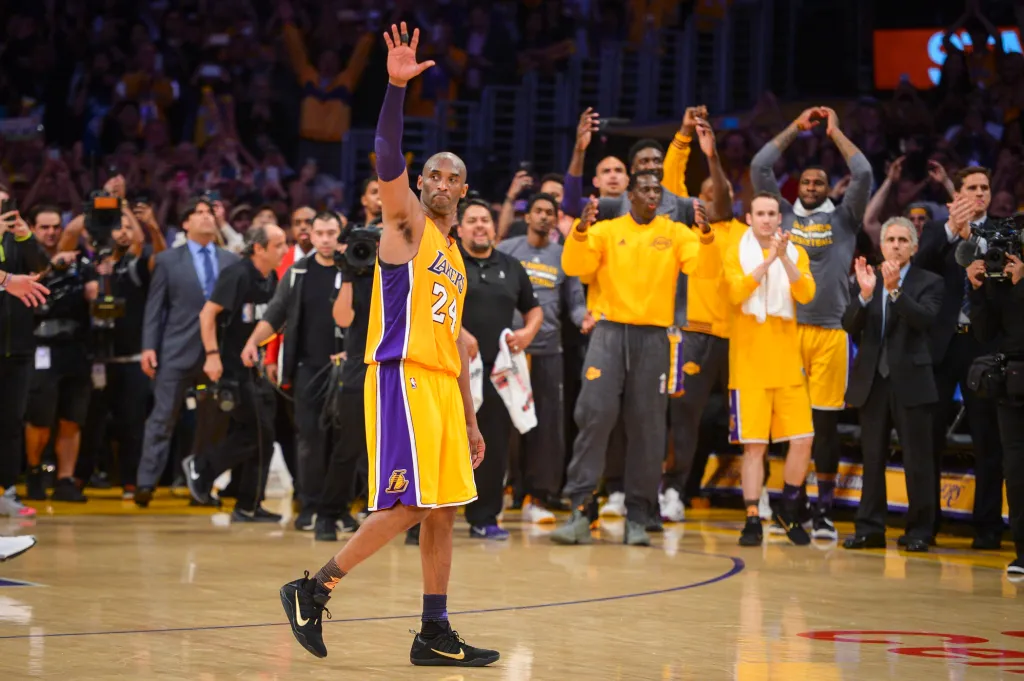
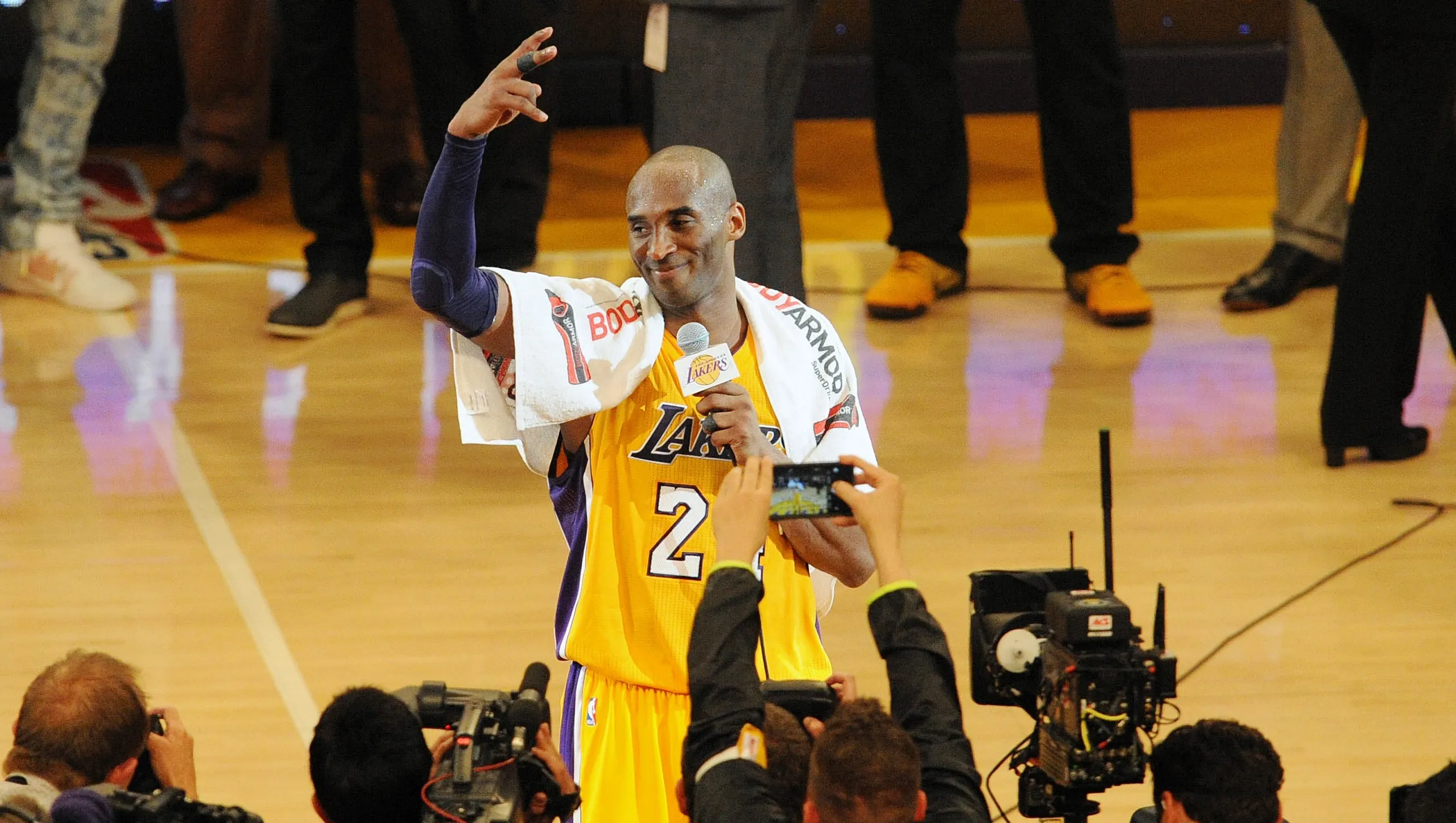
After twenty seasons, five championships, countless unforgettable moments, and a career that helped define an era of basketball, Kobe Bryant stepped onto the court for the final game of his legendary NBA career.
The opponent was the Utah Jazz. The stage was Staples Center. The basketball world was watching.
At 37 years old and battling through the wear and tear of two decades in the NBA, expectations were simple: celebrate a legend, honor his career, and say goodbye.
Kobe Bryant had other plans.
What unfolded that night became one of the most iconic farewells in sports history.
Some players become stars. A select few become champions. Only the greatest become legends.
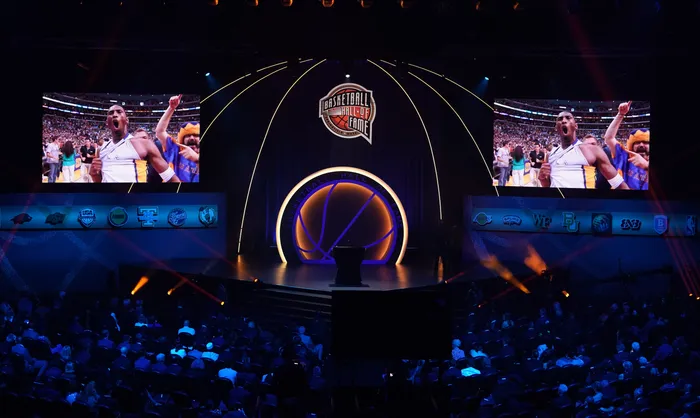
On April 4, 2020, Kobe Bryant was officially elected to the Naismith Memorial Basketball Hall of Fame as a member of the Class of 2020, earning basketball's highest individual honor and securing his place among the most influential players in the history of the game.
Championships can define a season. Awards can define a year. But a collection of honors accumulated over two decades tells the story of a career that transcended generations.
For twenty seasons, Kobe Bryant pursued greatness with relentless determination. The result was one of the most decorated careers in basketball history — a legacy built through consistency, excellence, and an unwavering commitment to being the best.
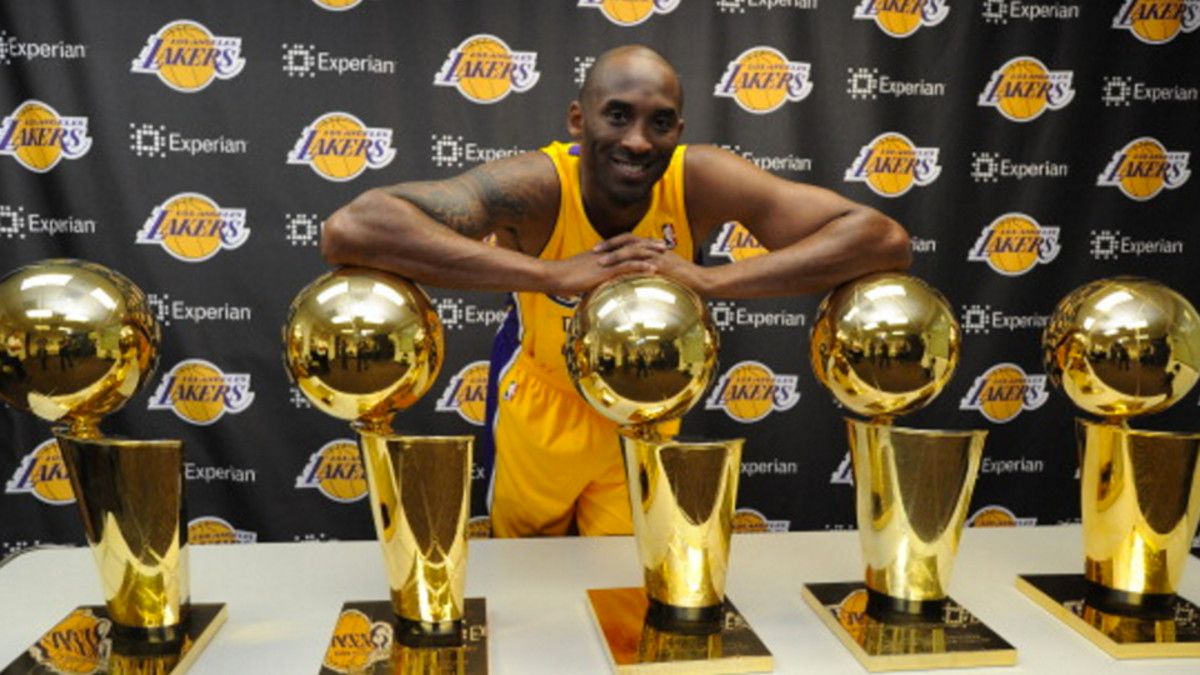
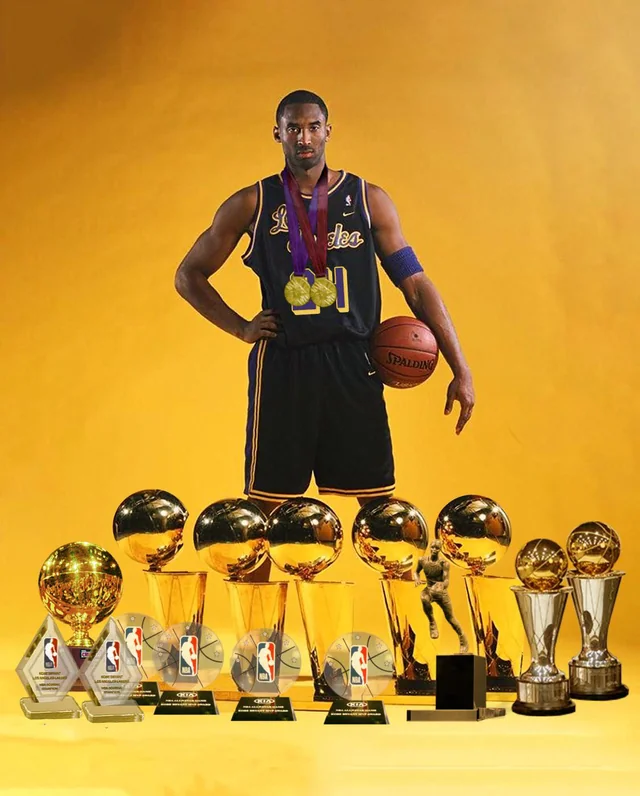
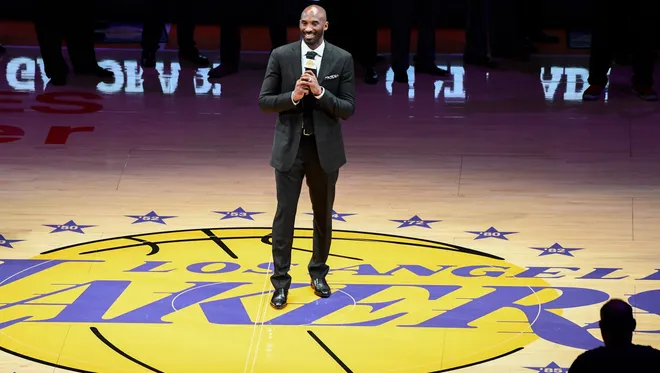
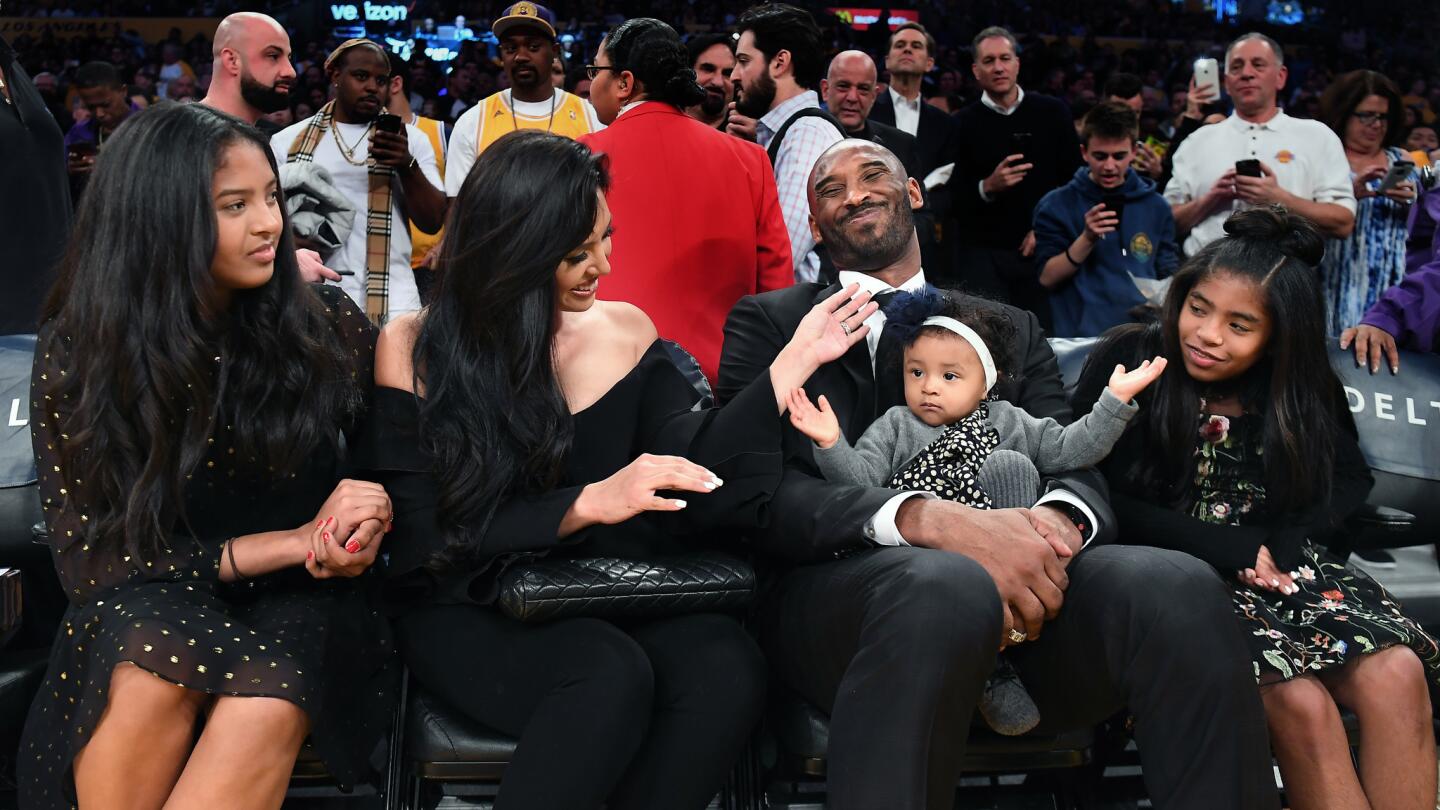
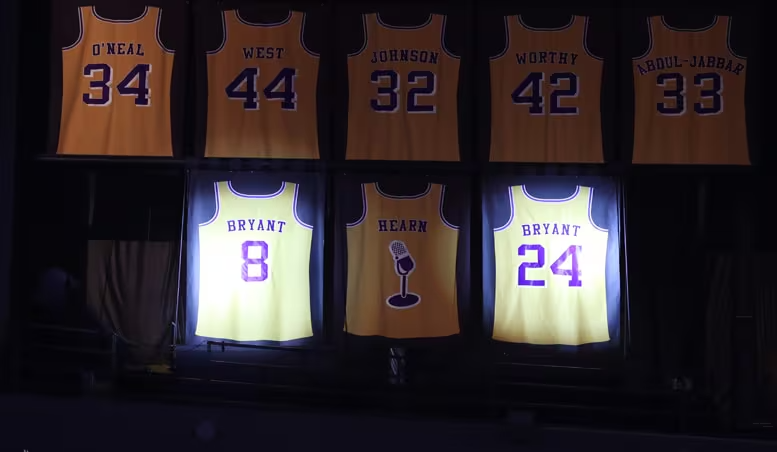
December 18, 2017.
Inside a packed Staples Center, the Los Angeles Lakers honored one of the greatest players in franchise history with a distinction that had never before been bestowed upon a single player.
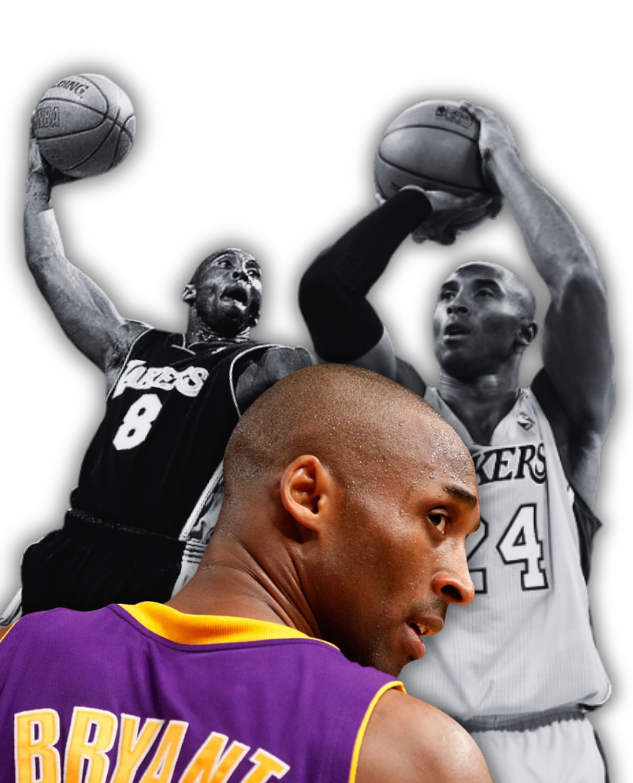
That night, both of Kobe Bryant's jersey numbers — No. 8 and No. 24 — were officially retired and raised into the rafters. It was more than a ceremony. It was a recognition of two remarkable chapters of one extraordinary career.
For the first ten years of his NBA journey, Bryant wore No. 8. It was the number associated with the young phenom who entered the league as a teenager, won three consecutive championships, became an All-Star, and established himself as one of basketball's brightest stars.
Then came No. 24. The number represented evolution. It symbolized the veteran leader who embraced new challenges, captured league MVP honors, won back-to-back championships, and cemented his place among the greatest players in basketball history.
Together, the two numbers told the story of a player who continually reinvented himself while pursuing the same goal: greatness.
When the banners were unveiled, Bryant became the first player in NBA history to have two jersey numbers retired by the same franchise.
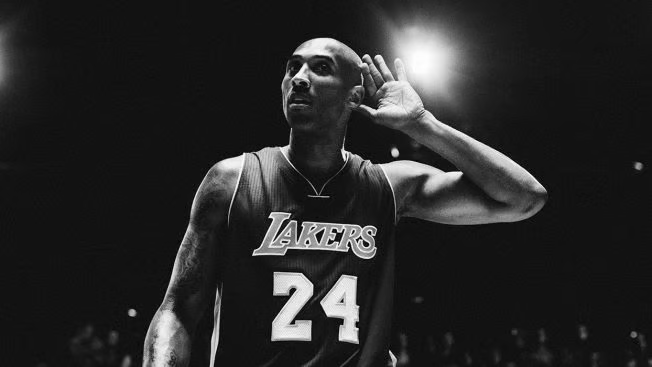
Throughout his career, Kobe Bryant earned many titles: champion, MVP, All-Star, Olympian, and Hall of Famer.
But perhaps no identity became more synonymous with his legacy than one simple name:
The Black Mamba.
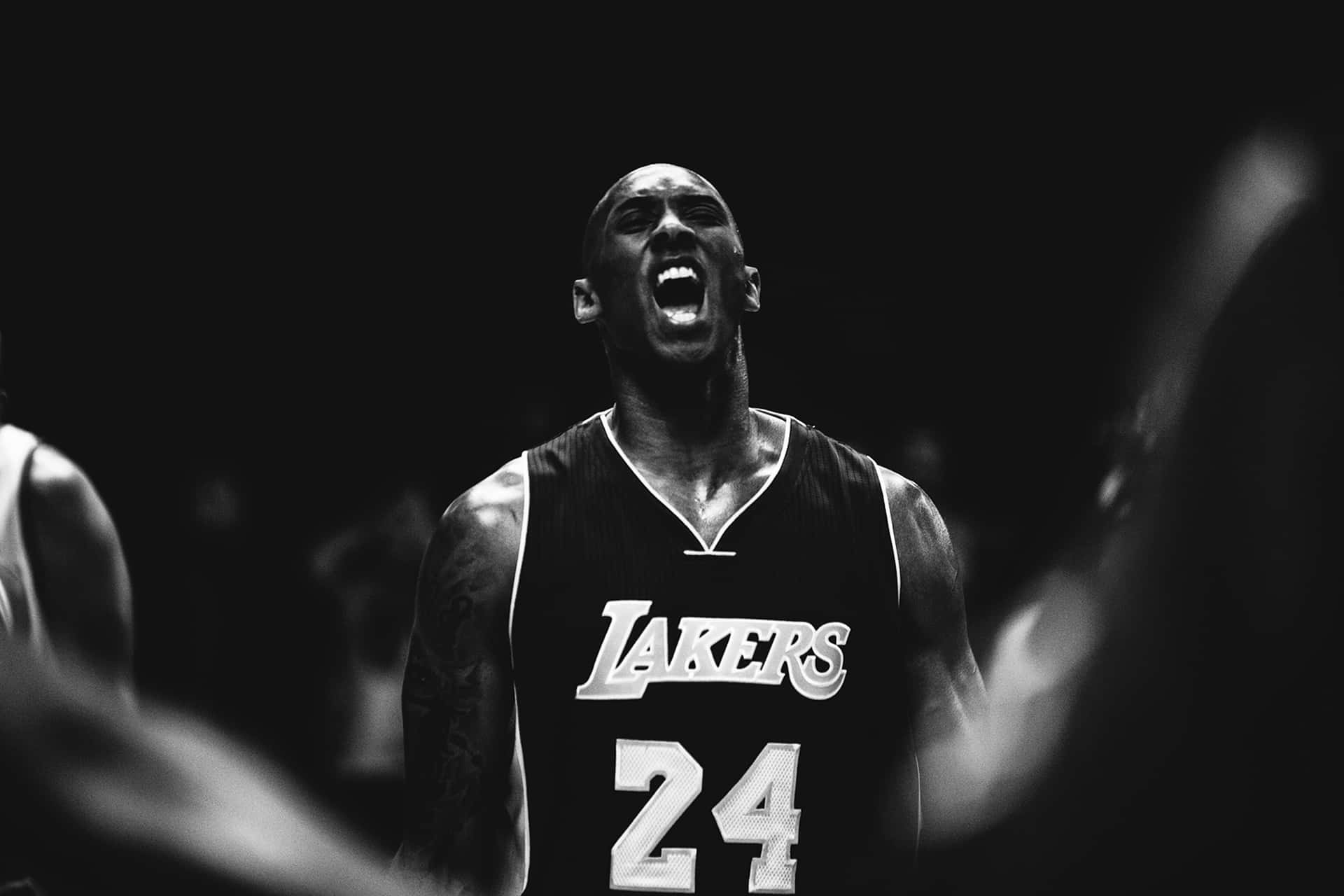
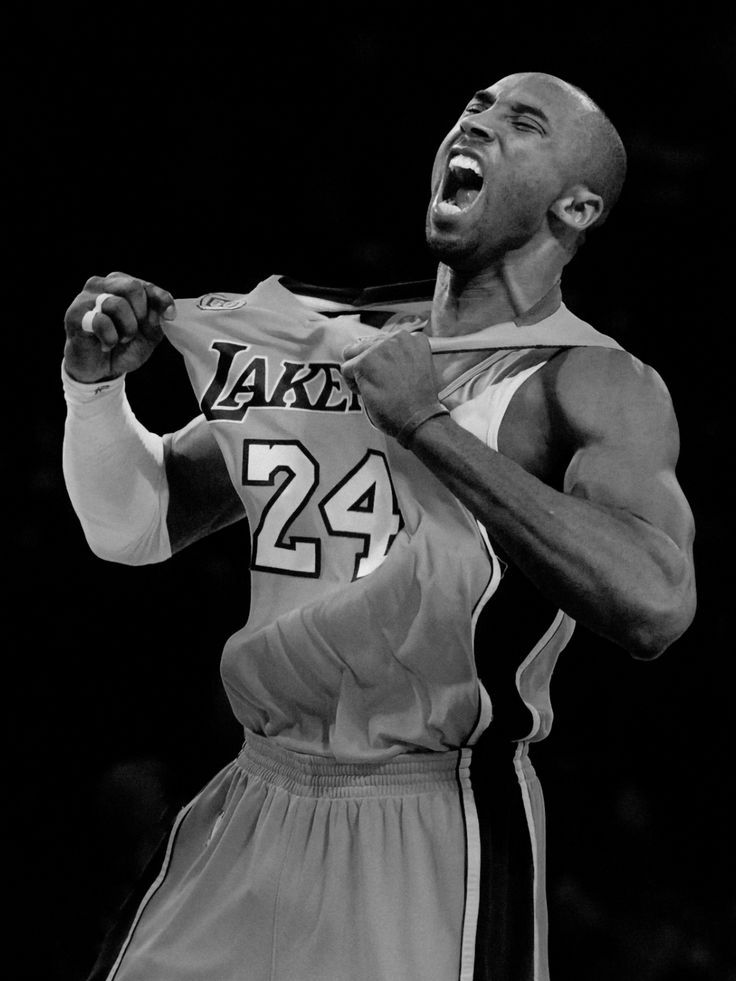
The nickname first emerged in the early 2000s when Bryant was searching for a way to mentally separate the pressures of life from his performance on the basketball court. Inspired by the deadly precision and speed of the black mamba snake, he adopted the persona as a symbol of focus, discipline, and relentless competitiveness.
What began as a personal mindset soon evolved into something much larger.
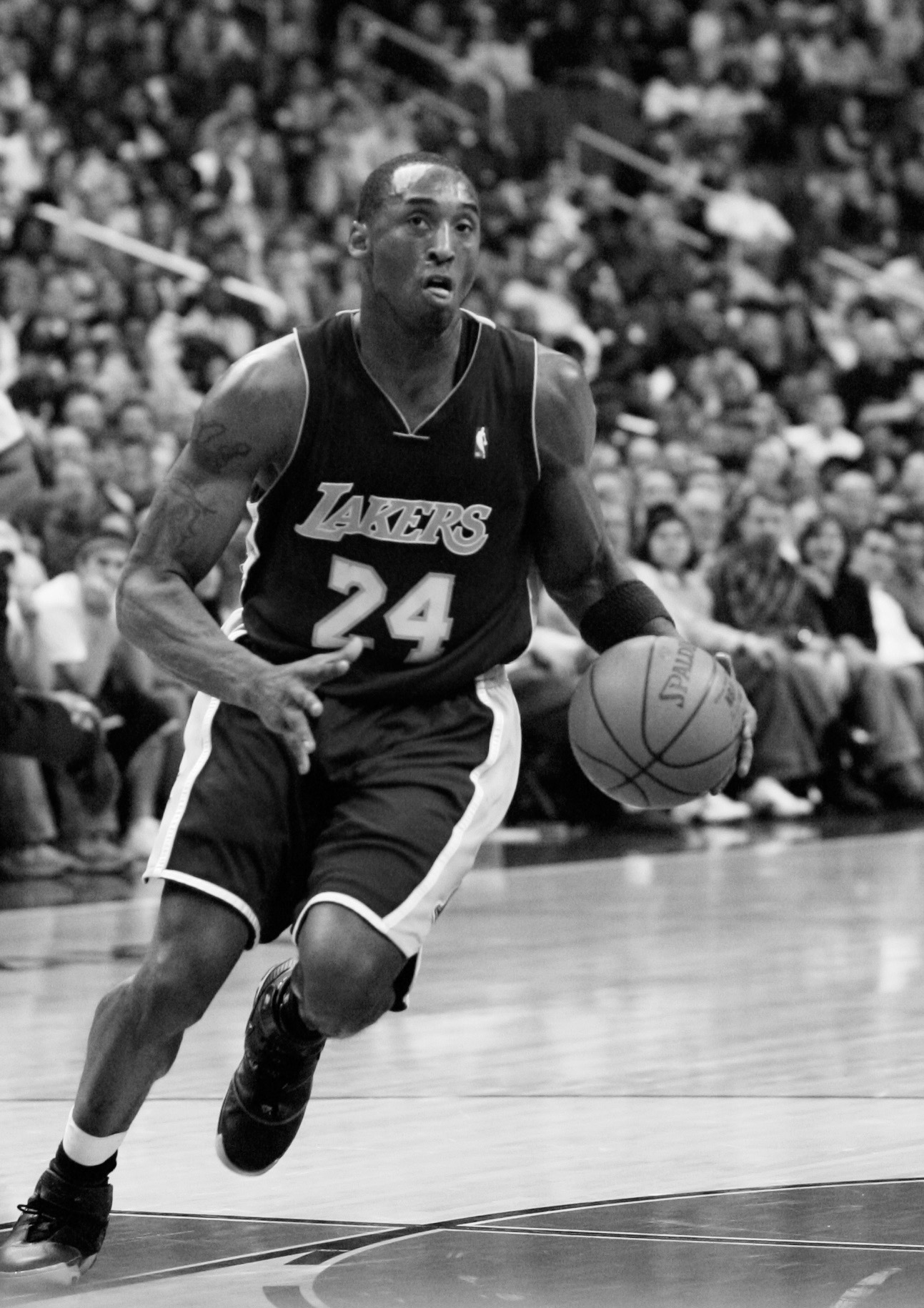
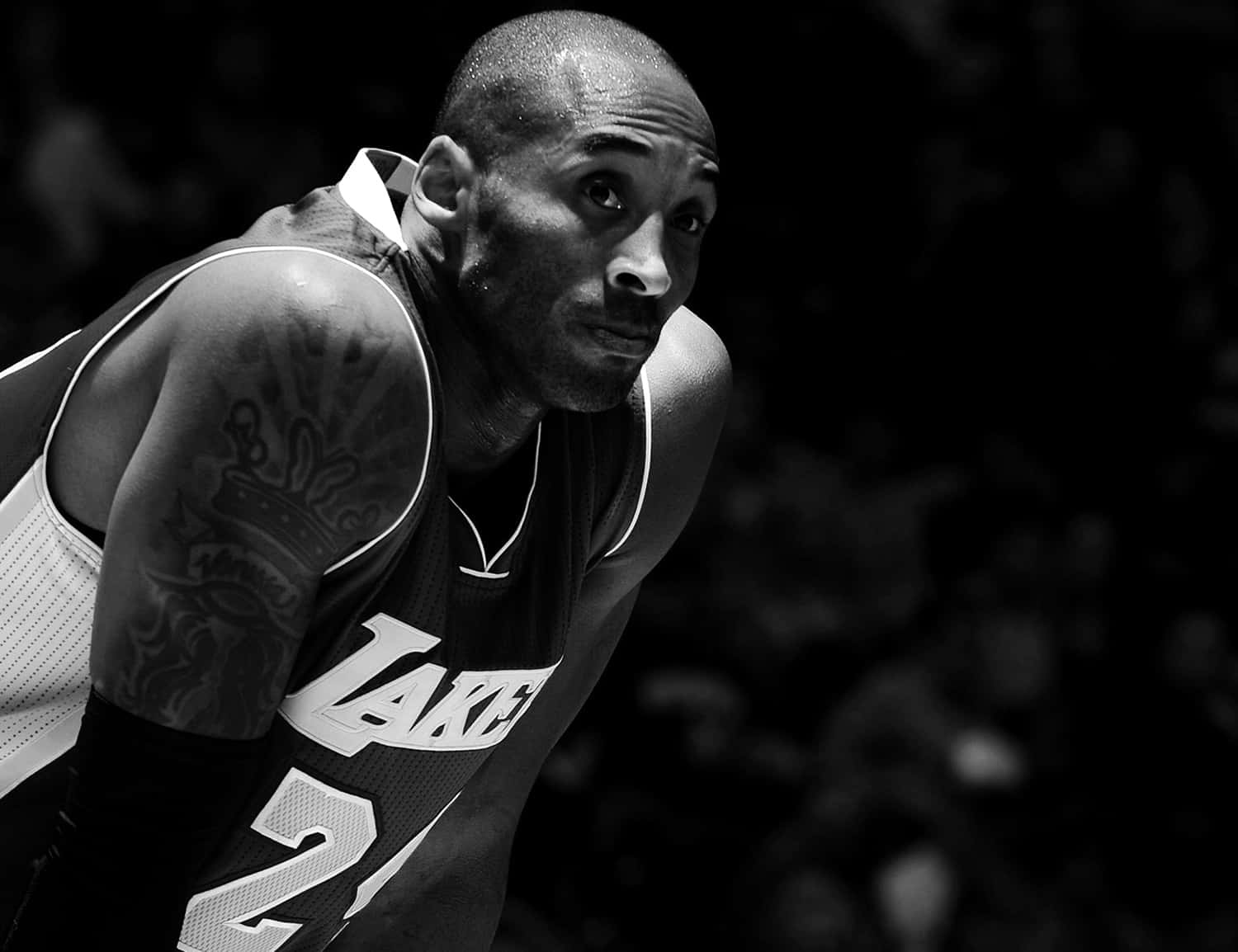
The Black Mamba represented an athlete operating with complete commitment to his craft. Every workout, every practice, every challenge, and every setback became an opportunity to improve. Bryant's obsession with preparation and mastery became legendary throughout the sports world.
Over time, the Black Mamba transformed from a nickname into a philosophy.
A philosophy built on the belief that greatness is earned through discipline, resilience, and an unwavering pursuit of excellence.
For Kobe Bryant, success was never simply about winning. It was about becoming better every day.
These principles resonated far beyond basketball. Athletes adopted them. Entrepreneurs embraced them. Artists, students, and leaders found inspiration in them. The mindset became universal.
As Bryant's influence expanded beyond basketball, the Black Mamba evolved into one of the most recognizable personal brands in sports history.
The iconic Mamba logo became a symbol of excellence and ambition. Appearing on footwear, apparel, training products, and creative projects, the mark represented far more than an athlete's name.
It represented a standard.
A commitment to preparation. A commitment to growth. A commitment to never settling for average.
Long after his playing career ended, the Mamba brand continued to inspire new generations to chase mastery in their chosen pursuits.
Few athletes leave behind a philosophy that outlives their playing career.
Kobe Bryant did.
Today, the Black Mamba remains one of the most influential symbols in sports culture, representing a mindset that transcends basketball.
The championships celebrate what Kobe accomplished. The Mamba Mentality celebrates how he accomplished it.
And that may be his most enduring legacy of all.
"The mindset isn't about seeking a result. It's more about the process of getting to that result."
— Kobe Bryant
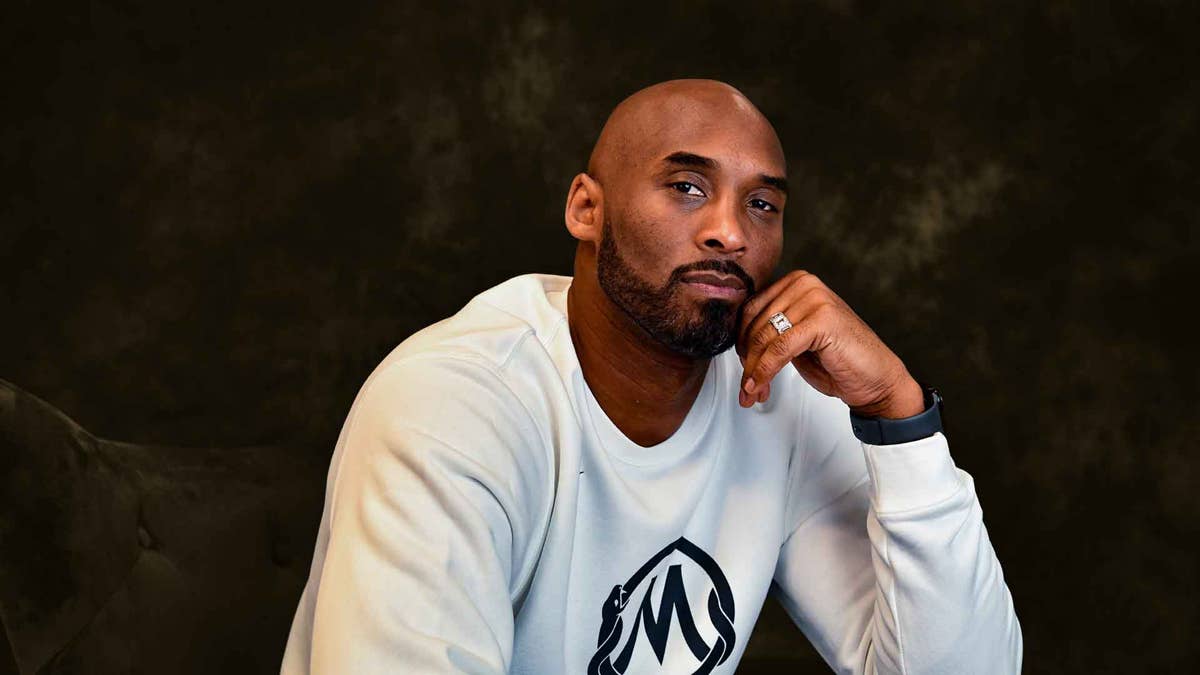
For twenty years, Kobe Bryant inspired the world through his performances on the basketball court. But his vision for greatness extended far beyond the game.
Following his retirement from the NBA, Bryant embraced a new challenge: applying the same discipline, creativity, and relentless pursuit of excellence that defined his playing career to new arenas of life. Whether through storytelling, business, mentorship, or philanthropy, he continued to impact people around the world in meaningful ways.
His second chapter was not about replacing basketball. It was about expanding his legacy.
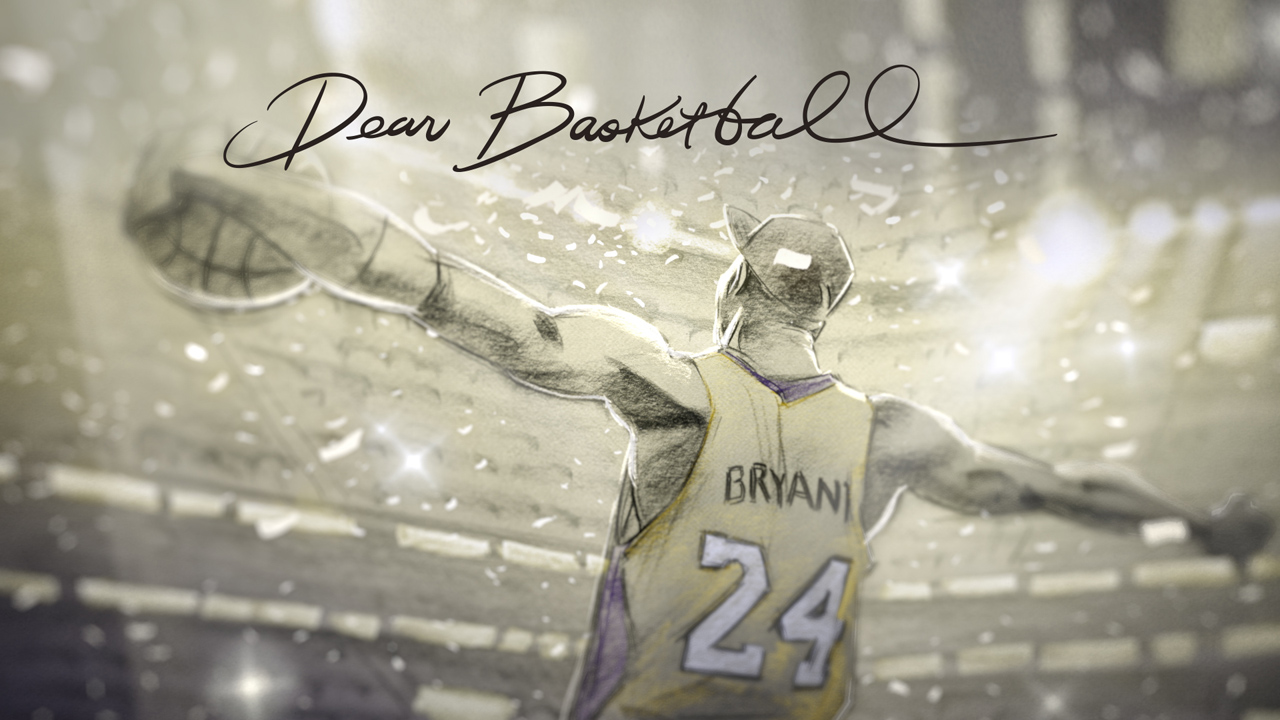
In 2018, Bryant became the first former professional athlete to win an Academy Award when his animated short film Dear Basketball received the Oscar for Best Animated Short Film. Based on the poem he wrote to announce his retirement, the film transformed his love for the game into a powerful story about passion, sacrifice, and gratitude.
The achievement demonstrated Bryant's ability to succeed at the highest level in an entirely different field, proving that creativity and excellence know no boundaries.
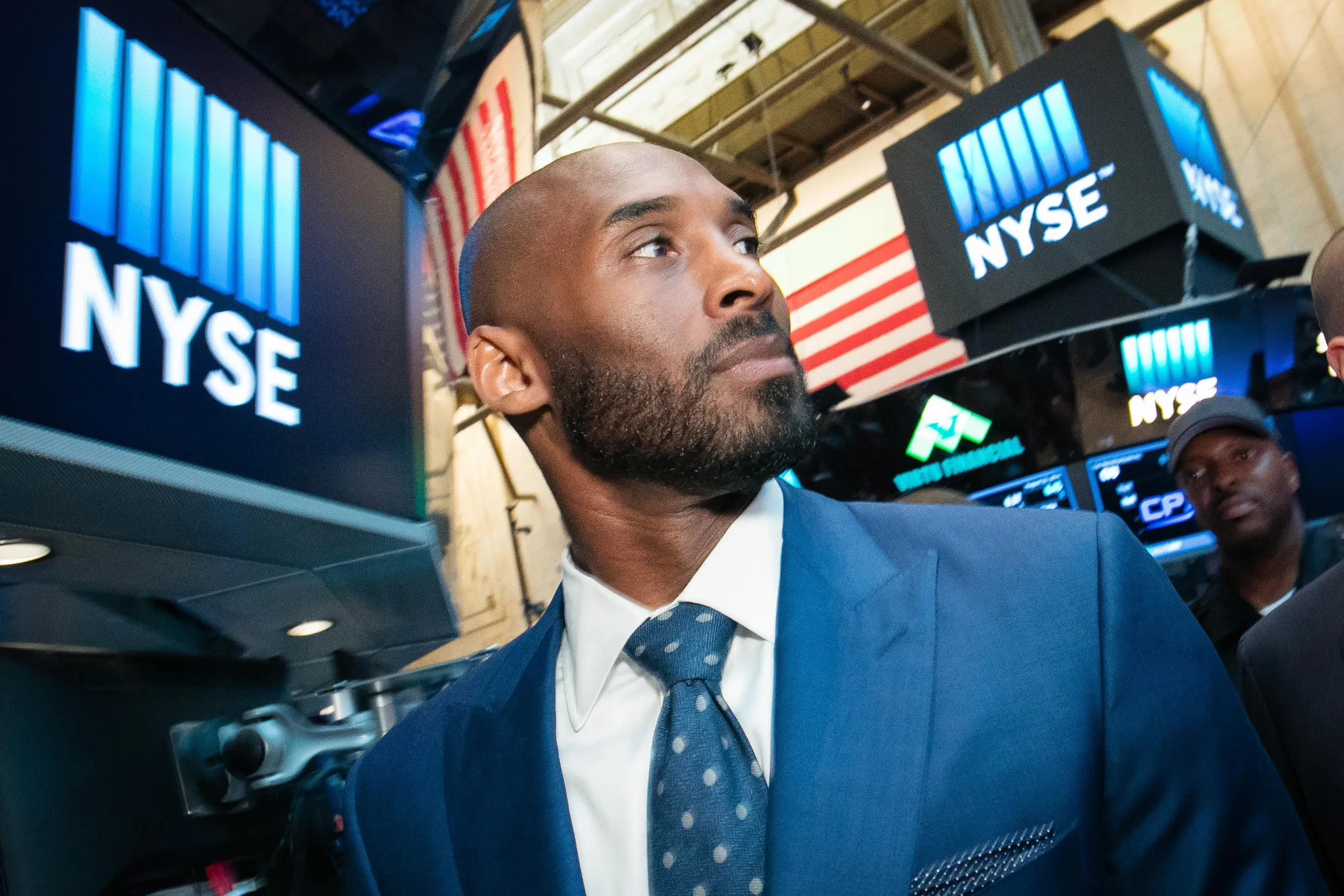
Bryant approached business with the same mindset that fueled his success in basketball. As an investor and entrepreneur, he focused on companies that aligned with his values of innovation, leadership, and long-term growth.
His approach was never about chasing opportunities. It was about building them.
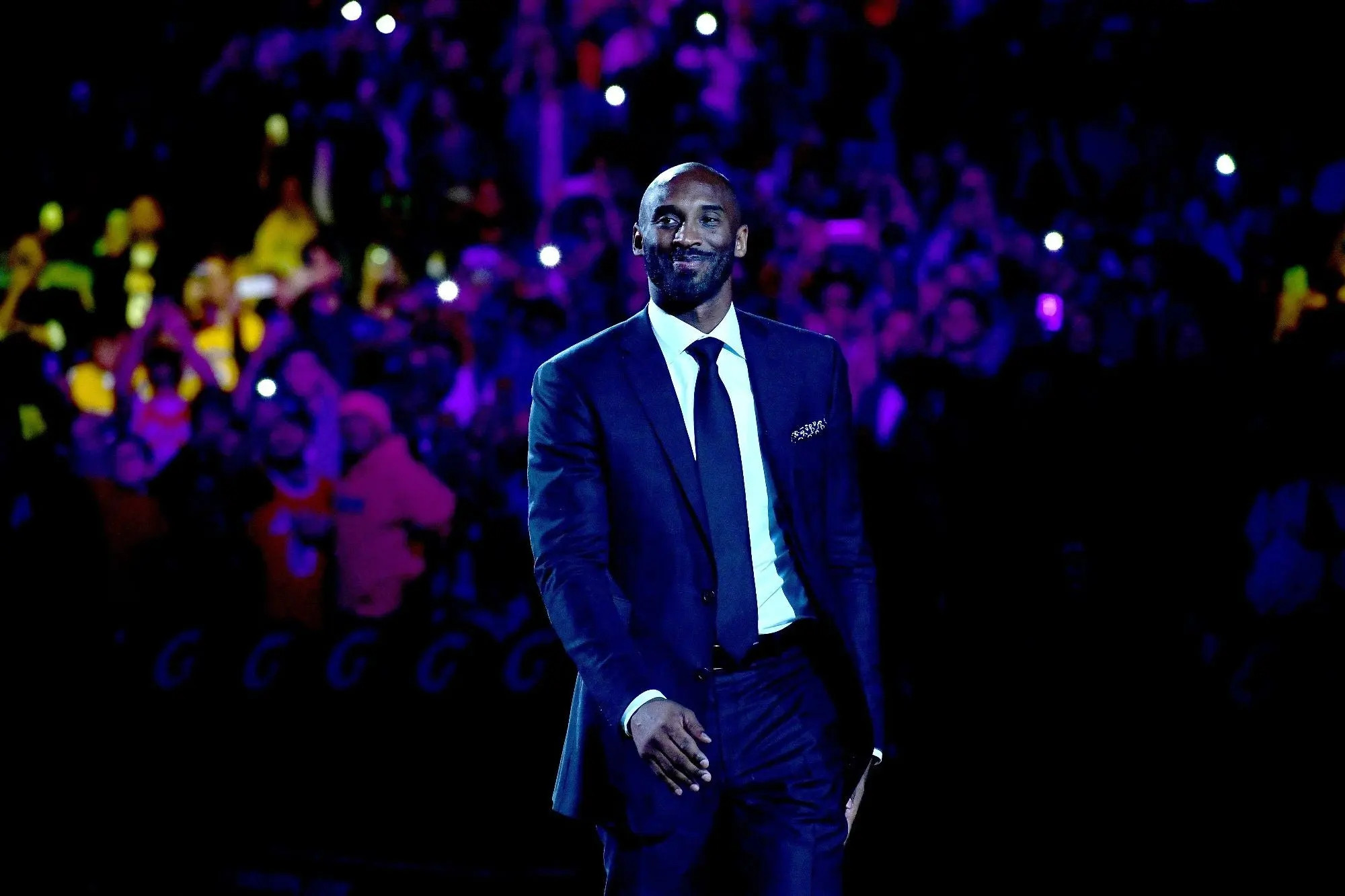
In 2018, Bryant launched Granity Studios, a multimedia company dedicated to inspiring young people through sports, storytelling, and educational content. The company's mission reflected his belief that sports could teach valuable life lessons about perseverance, teamwork, and personal growth.
Through books, podcasts, and creative projects, Bryant sought to inspire the next generation to discover their own potential and pursue excellence in every area of life.
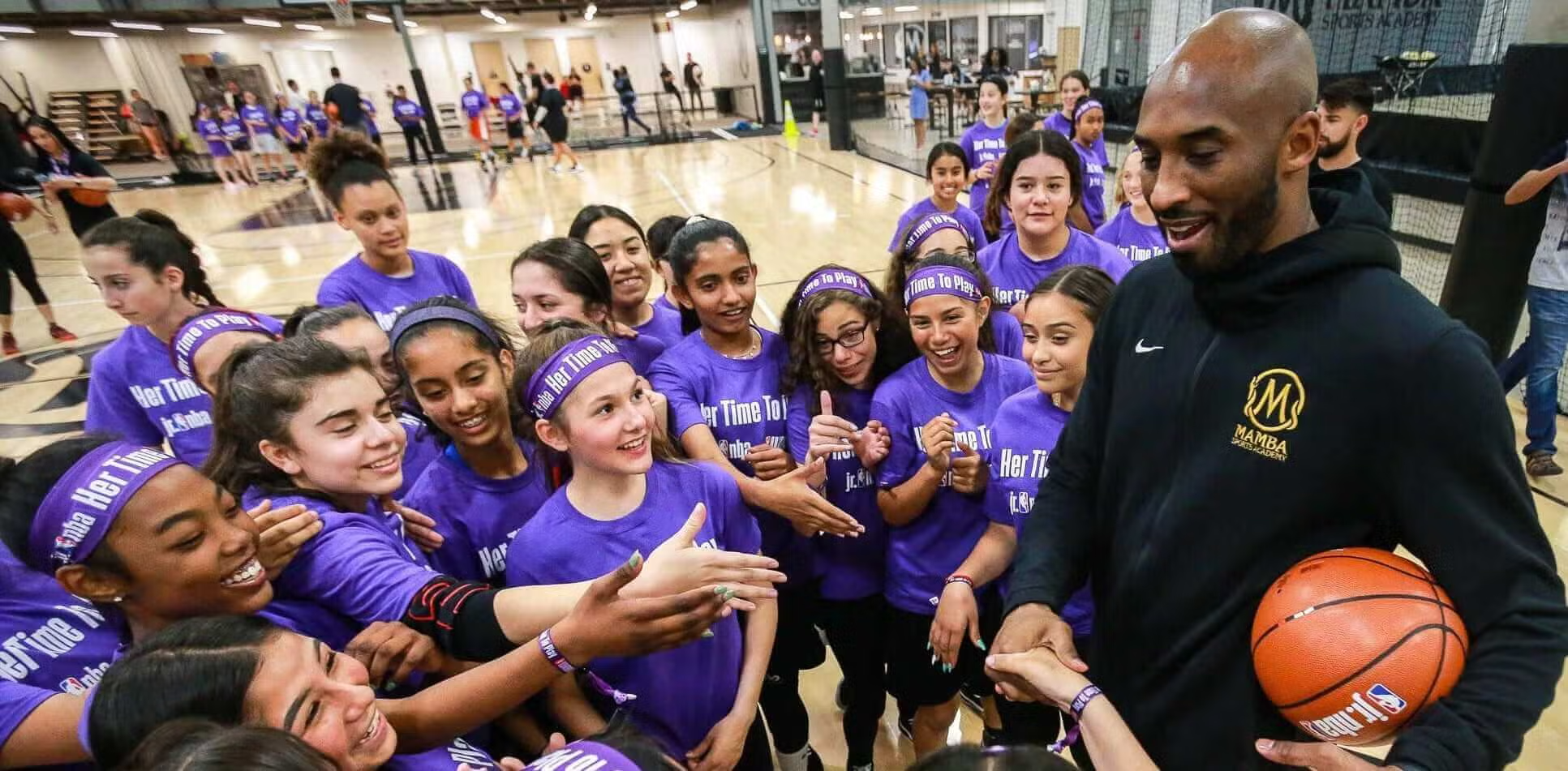
As his playing career came to a close, Bryant became increasingly passionate about mentorship. He dedicated time to coaching young athletes, sharing lessons about leadership, preparation, and personal growth.
His influence extended beyond basketball, helping others develop the mindset necessary to succeed in their own pursuits.
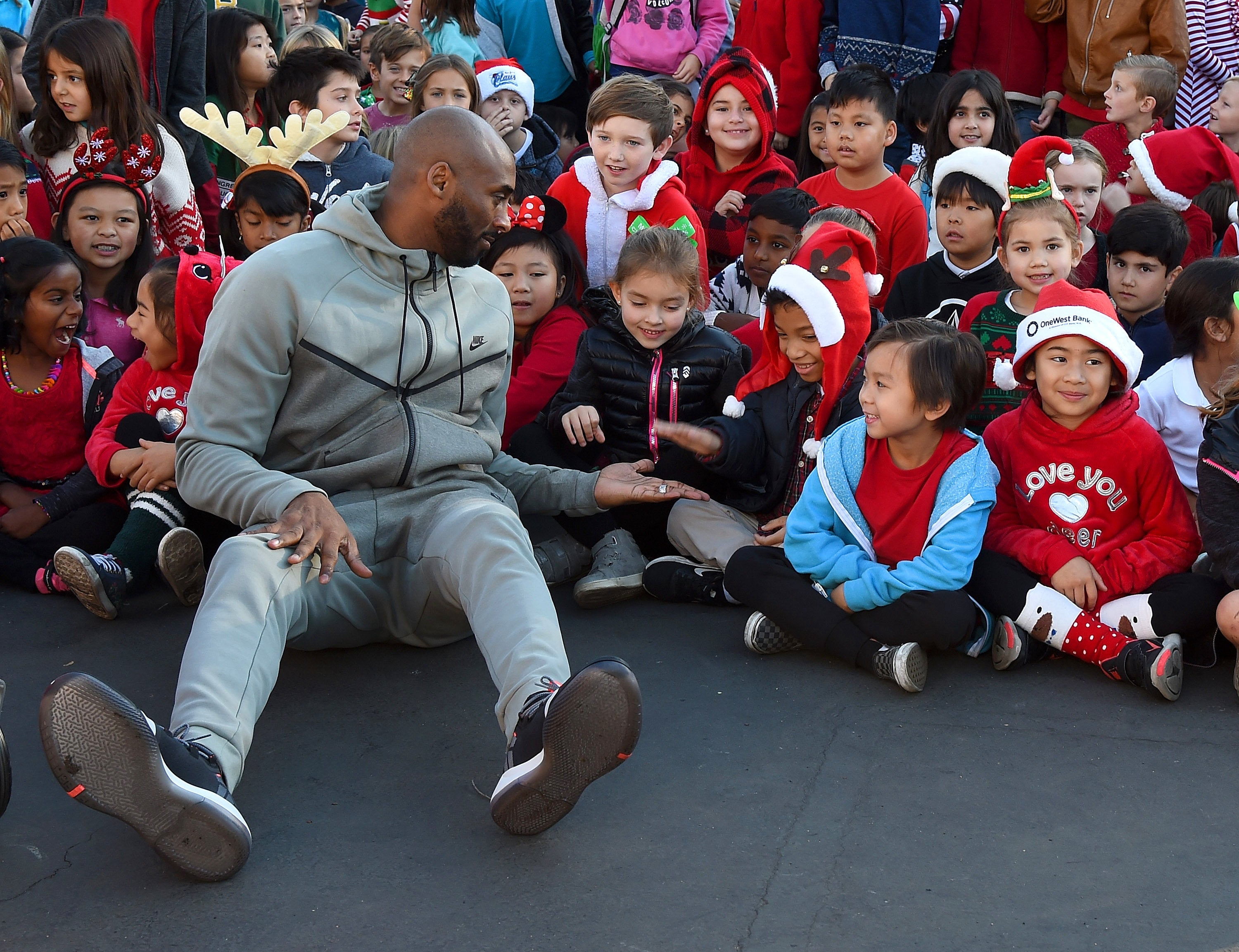
Bryant supported numerous charitable initiatives throughout his life, focusing on youth development, education, and opportunities for underserved communities. Through foundations, community outreach, and advocacy efforts, he used his platform to create positive change and empower future generations.
His commitment to service reflected a belief that true success is measured not only by personal achievement, but by the impact we have on others.
"The most important thing is to try and inspire people so that they can be great in whatever they want to do."
— Kobe Bryant
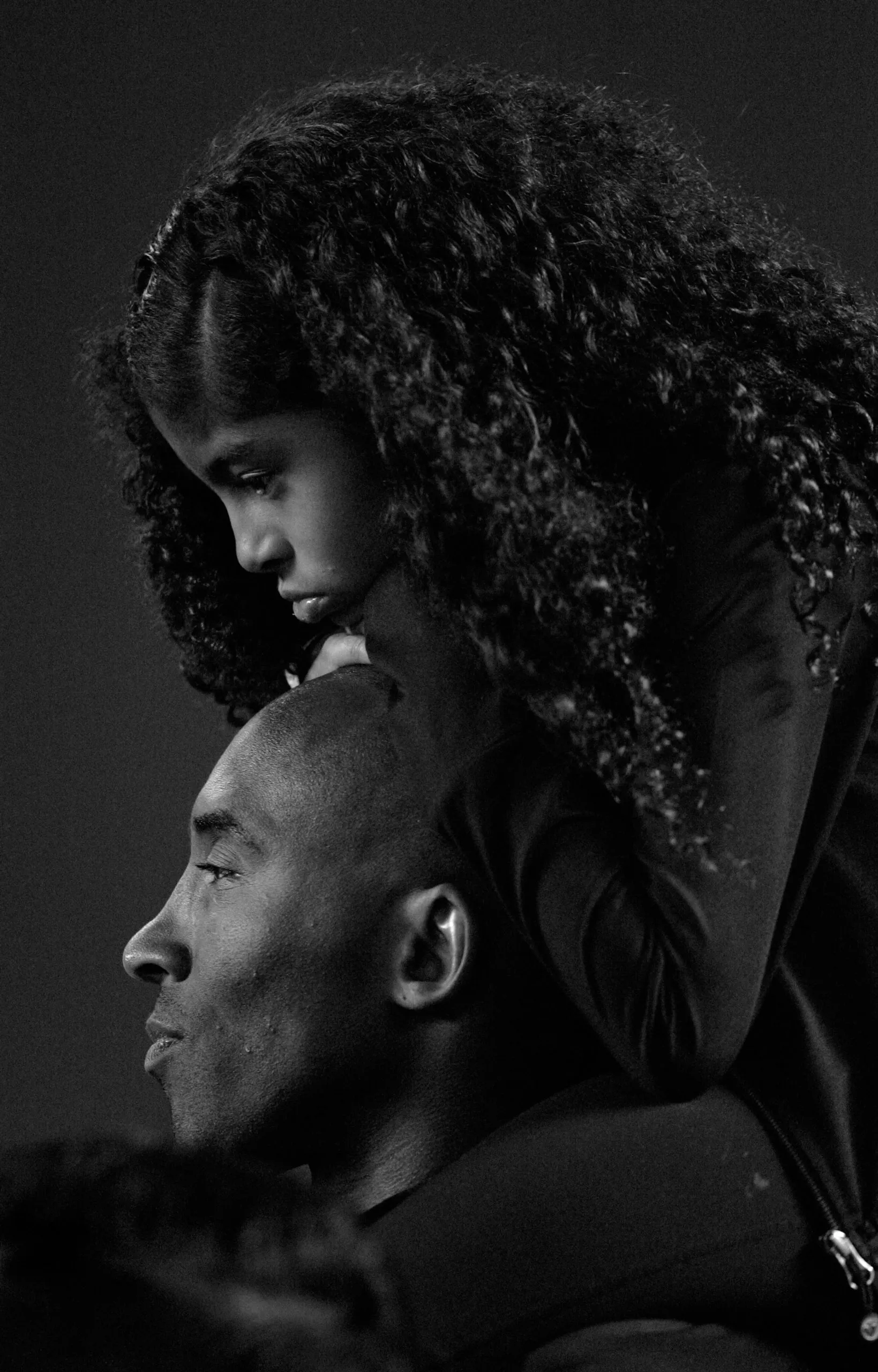
Some lives are measured by years. Others are measured by impact.
Kobe Bryant spent his life pursuing excellence — not only as a basketball player, but as a father, mentor, creator, and leader. Through twenty seasons in the NBA and countless endeavors beyond the game, he inspired millions to embrace discipline, perseverance, and the relentless pursuit of becoming their best selves.
Alongside him was his daughter, Gianna "Gigi" Bryant.
A gifted young athlete with a passion for basketball, Gianna shared her father's love for the game and his competitive spirit. She represented a new generation of players and dreamers, carrying forward the lessons, values, and determination that defined the Bryant family.
Together, they shared a bond rooted in love, mentorship, and a mutual passion for the sport that brought them so much joy.
Though their time was cut short, their influence continues to resonate around the world.
Kobe's legacy lives on in every athlete who rises before sunrise to train. In every student who refuses to quit. In every leader who chooses discipline over excuses. And in every person inspired by the belief that greatness is earned.
Gianna's legacy lives on in the countless young athletes — especially young women — who continue to pursue their dreams with confidence, determination, and courage.
Their story reminds us that impact extends far beyond achievements, records, and accolades.
It lives in the lives we touch. The people we inspire. And the example we leave behind.